Author: admin

  • How Personalized Rewards Transform Employee Motivation in Organizations?

    How Personalized Rewards Transform Employee Motivation in Organizations?

    Employee motivation is essential for the success and growth of any organization. In recent years, personalized rewards have become a powerful tool to motivate employees and keep them engaged. Personalized rewards are tailored to the individual employee’s interests, goals, and preferences. They can range from tangible gifts such as gift cards or merchandise, to intangible rewards such as recognition or praise from peers or managers.

    Personalized rewards are proven to be more effective in motivating employees than traditional methods such as salary increases or bonuses.

    As the provider of one of the leading Business Performance Management Solutions Phi EDGE, our clients often connect with us to seek help regarding rewarding ideas. They also question the relevancy of common rewards vs the benefits of personalized rewards. So, here’s a blog curated by our team to give you better insights. Let’s explore the pitfalls of common rewards and the benefits of personalized rewards

    Pitfalls of Common Employee Rewards

    Employee reward programs have been around for decades, but they can be tricky to implement correctly. Companies need to be aware of the potential pitfalls that come with these programs, such as:

    • Leads to unhealthy competition among employees
    • Reduces motivation levels among employees
    • Creates a sense of entitlement among employees
    • Lack of flexibility for employers
    • Difficulty in measuring the success of the program
    • Moreover, if the rewards are not tailored to the individual employee’s needs or interests, they may not be as effective as intended.

    Benefits of Personalized Rewards 

    1) Recognizes Individual Contributions

    Personalized rewards are an effective way to recognize and reward individual contributions in the workplace. They provide employees with a sense of appreciation for their hard work and dedication, motivating them to continue to strive for excellence. By offering personalized rewards, employers can show their employees that their efforts are valued and appreciated.

    2) Creates a Sense of Ownership

    Employees who receive personalized rewards are more likely to strive for excellence when they know that their efforts will be rewarded in a meaningful way. Whether it is a holiday package, flexible work hours, or professional development opportunities, employers must ensure that their employees have access to the resources they need to be successful and productive. This not only benefits the company but also helps to retain quality talent and foster a culture of success. Organizations can use Business Performance Management Software like Phi EDGE to evaluate employee performance and offer personalized rewards.

    3) Supports Growth & Development

    Personalized rewards are an effective way to support growth and development in the workplace. By offering rewards that are tailored to employees’ skills and interests, businesses can encourage their staff to develop new skills and knowledge. For example, by providing funding for a certificate course, employers can show their appreciation for employees’ hard work while also helping them build upon their existing skillset. This type of reward not only shows recognition but also helps employees become more productive and better equipped to take on new challenges in the future.

    The Bottom Line

    Today’s modern organizations are recognizing the importance of personalizing rewards and offering more flexibility to their employees. Organizations are leveraging tools and technology to analyse employee performance and personalize rewards. If you are also interested in such initiatives, having robust, cloud-based Business Performance Management Software by your side will be of great help! Phi EDGE Software by Phi EDGE is easy to use and is trusted by hundreds of companies around the world. Plus, with our comprehensive analytics dashboard, you’ll be able to track employee progress and make data-driven decisions in no time. It’s indeed a smart way to analyse performance and brainstorm ways of rewarding employees with personalized incentives!

    Interested? Get in touch for a FREE DEMO of Phi EDGE SOFTWARE!

  • Key Benefits Of Tracking Tasks And Work In Your Organization

    Key Benefits Of Tracking Tasks And Work In Your Organization

    Task tracking is an essential part of any successful project. With so many tasks, projects, and team members, it can be difficult to stay organized and ensure that all tasks are completed on time. This is where task tracking comes in. It helps teams to prioritize tasks, assign resources, track progress and make sure that all deadlines are met. Task tracking tools provide visibility into the status of each task and enable teams to collaborate more effectively. By using such tools, teams can be confident that projects are completed on schedule.

    Team Phi EDGE has developed Phi EDGE, Business Performance Management Software, that can take the headache of task tracking out of your business. Once you have Phi EDGE, it’s all sorted for your organization. Interested? First, Let’s explore the benefits of tracking tasks and work in your organization.

    KEY BENEFITS OF TRACKING TASKS IN YOUR ORGANIZATION

    Improves Organizational Planning

    Task tracking helps your team plan out your day, week, month, or even year and prioritize tasks so that they can achieve the most important goals. By tracking tasks, you can see which tasks are completed and which ones still need to be done. This allows you to make sure that nothing gets forgotten or overlooked.

    Boosts Productivity and Efficiency

    Task tracking is a great way to increase productivity and efficiency in the workplace. It helps to keep track of tasks, prioritize them according to importance, and allocate resources accordingly. This can help organizations save time, money, and effort. It also allows managers to better monitor their team’s progress and ensure that everyone is on the same page when it comes to deadlines. By using task tracking, organizations can improve their overall efficiency and productivity in the long run.

    Improves Communication and Collaboration

    Task tracking is a powerful tool for teams to collaborate and communicate effectively. It allows team members to keep track of tasks, assign tasks, and monitor progress in real-time. By having a centralized system for task tracking, teams can stay organized and on top of their projects. Task tracking also helps reduce confusion and miscommunication between team members by providing a single source of truth for all tasks related to the project. This helps ensure that everyone is on the same page about what needs to be done and when it needs to be done.

    Real-Time Insights and Reporting

    Task tracking provides real-time progress tracking and reporting, allowing businesses to monitor and measure their employee performance based on time. It helps organizations to stay on top of their tasks and projects, ensuring that they are completed efficiently and on time. Task tracking also allows businesses to identify potential areas of improvement in their processes, as well as any problems that may be hindering productivity. This helps them to make the necessary changes to improve overall performance. Most Business Performance Management Solutions have this feature.

    Task tracking also enables businesses to report on their projects in an organized manner. It provides detailed insights into the progress of each task, allowing teams to identify potential problems early on and take corrective measures if needed. This helps businesses stay ahead of the competition by ensuring that tasks are completed efficiently and accurately.

    ACHIEVE YOUR GOALS WITH Phi EDGE

    Are you looking for a way to maximize your team’s potential and get more done in less time? Look no further than Phi EDGE. It is one of the Best Performance Management Systems for small companies. Our cloud-based software will help you unlock the power of your team by optimizing tasks for effective time management. With Phi EDGE, you can create to-do lists, assign tasks, set reminders, check progress on the dashboard, and more. Thousands of users have already adopted Phi EDGE and are achieving their goals faster than ever before. Try it today!

    CLICK HERE TO BOOK A FREE DEMO NOW!

  • How Does Bias in Performance Management Affect Employee Engagement Levels?

    How Does Bias in Performance Management Affect Employee Engagement Levels?

    Performance Management is an important aspect of human resource management. It is the process of measuring and evaluating an employee’s performance to ensure that they are meeting their goals and objectives. This can include setting goals, providing feedback, identifying areas for improvement, and rewarding successful employees. Nowadays, many business performance management solutions help employers identify areas where employees need more training or support, as well as recognize those who are doing well and reward them accordingly.

    BIAS IN PERFORMANCE MANAGEMENT

    Performance Management can be affected by various types of bias that may lead to unfair decisions. These biases can include cognitive bias, confirmation bias, halo effect, and many more. By understanding the different types of bias in performance management, organizations can take steps to reduce them and make sure that their employees are given the same opportunities to succeed.

    Recency Bias occurs when a manager or supervisor evaluates an employee’s performance based on their most recent work rather than on their overall performance throughout the year.

    Proximity Bias is when a manager or supervisor evaluates an employee’s performance based on how close they are to them personally or professionally.

    Gender Bias occurs when a manager or supervisor makes decisions about an employee based on their gender instead of their skills and qualifications.

    Similar-To-Me Bias occurs when a manager or supervisor makes decisions about an employee based on how similar they are to them in terms of background, race, religion etc., instead of basing it solely on merit.

    The Halo Effect is when people form a general opinion about a person based on one trait or characteristic.

    HOW DO THESE BIASES AFFECT EMPLOYEE ENGAGEMENT LEVELS

    Demotivation & Lack of Productivity

    When there is bias in performance management, it can have a negative impact on employee morale and motivation. Bias in performance management can lead to unfair evaluations, which can make employees feel like their efforts are not being recognized or appreciated. It can also lead to a feeling of unfairness among employees who may feel that they are being judged based on factors unrelated to their performance. This can have a demotivating effect on employees and lead to decreased productivity.

    Poor Team Collaboration & Dynamics

    When performance management is biased, it can create an environment of mistrust and resentment among team members, as they feel like their hard work is not being properly recognized or rewarded. This can lead to a lack of trust and collaboration between team members, as well as a lack of motivation and morale, which in turn affects the overall team’s effectiveness.

    Unfair Evaluations and Inequitable Treatment

    Performance management biases can have a significant impact on the fairness of evaluations and the treatment of employees. These biases can lead to an inaccurate assessment of an employee’s performance, resulting in a lack of recognition for their efforts or even punishing them for mistakes they may not have made. All these severely impact employees’ motivation and loyalty towards the organisation.

    OVERCOMING BIAS IN PERFORMANCE MANAGEMENT

    Performance management is a key element of any successful organisation, but it can be difficult to ensure that bias does not creep into the process. Organizations need to be aware of these potential biases and take steps to address them before they become a problem. By using the best performance management systems for small companies and implementing strategies such as blind reviews, regular feedback sessions, and objective assessment criteria, organizations can ensure that their performance management system is fair and equitable for all parties involved.

    Need help with unbiased Performance Management?

    Phi EDGE by Phi EGDE can help! Our Business Performance Management Software provides comprehensive performance insights, measures key performance indicators, and helps you create unbiased performance management processes. With our user-friendly dashboard, you can easily track progress and identify areas for improvement. Thousands of businesses have already implemented Phi EDGE Software with great success – join them today and make sure your team is performing at its best!

    How Does Bias in Performance Management Affect Employee Engagement Levels?

    Performance management plays a critical role in shaping workplace culture, employee motivation, and organizational growth. Businesses rely on performance evaluations to assess employee productivity, identify future leaders, and improve workforce efficiency. However, when bias enters the performance management process, it can negatively impact employee engagement, trust, and long-term business success.

    Employees expect fair treatment, transparent evaluations, and equal opportunities for growth. When workplace bias influences promotions, feedback, recognition, or performance reviews, employees may feel undervalued and disconnected from organizational goals.

    In modern workplaces, employee engagement is directly connected to fairness, inclusion, and trust. Organizations that fail to address performance management bias often experience lower productivity, poor employee morale, increased turnover, and weakened workplace culture.

    This article explores how bias in performance management affects employee engagement levels and how businesses can create fair, data-driven, and transparent evaluation systems.


    Understanding Performance Management Bias

    What Is Bias in Performance Management?

    Bias in performance management occurs when employee evaluations are influenced by personal opinions, assumptions, favoritism, stereotypes, or unconscious preferences rather than actual performance data and workplace contributions.

    Bias can appear in several forms, including:

    • Favoritism
    • Gender bias
    • Age bias
    • Cultural bias
    • Recency bias
    • Halo effect
    • Confirmation bias

    Even unintentional bias can affect employee confidence and workplace relationships.


    Why Fair Performance Evaluations Matter

    Performance reviews influence important organizational decisions such as:

    • Salary increments
    • Promotions
    • Leadership opportunities
    • Training programs
    • Career growth

    When employees believe the evaluation process is unfair, engagement and motivation decline significantly.

    Fair performance management systems encourage:

    • Trust
    • Transparency
    • Employee confidence
    • Workplace collaboration
    • Long-term retention

    The Connection Between Bias and Employee Engagement

    Employee Engagement Depends on Trust

    Employee engagement refers to the emotional commitment employees have toward their organization and work responsibilities.

    Highly engaged employees are:

    • More productive
    • More motivated
    • More loyal
    • More collaborative
    • More innovative

    However, biased performance management damages employee trust and reduces emotional connection with the organization.

    Employees who feel unfairly evaluated may:

    • Lose motivation
    • Avoid participation
    • Reduce productivity
    • Become disengaged from company goals

    Bias Creates Workplace Frustration

    Employees invest significant effort into their work and expect recognition based on merit and performance.

    When promotions or rewards appear influenced by favoritism rather than performance, employees may feel:

    • Frustrated
    • Unappreciated
    • Demotivated
    • Emotionally disconnected

    Over time, this frustration negatively affects employee engagement and workplace morale.


    Common Types of Bias in Performance Management

    The Halo Effect

    The halo effect occurs when a manager allows one positive quality to influence the entire employee evaluation.

    For example:

    • A confident communicator may receive higher ratings despite average performance.
    • A socially active employee may appear more productive than quieter team members.

    This creates unfair evaluations and reduces trust among employees.


    Recency Bias

    Recency bias happens when managers focus only on recent employee performance rather than evaluating the entire review period.

    Example:

    • An employee who performed consistently well throughout the year may receive poor ratings due to one recent mistake.

    This type of bias creates anxiety and discourages employees from maintaining long-term consistency.


    Favoritism in Workplace Evaluations

    Favoritism is one of the most damaging forms of performance management bias.

    Managers may unintentionally favor employees based on:

    • Personal relationships
    • Communication style
    • Similar backgrounds
    • Shared interests

    Employees who feel excluded from growth opportunities often become disengaged and less committed to organizational success.


    How Bias Impacts Employee Engagement Levels

    Reduced Employee Motivation

    Employees perform better when they believe their hard work is recognized fairly.

    Biased evaluations can make employees feel:

    • Their efforts are ignored
    • Growth opportunities are limited
    • Workplace success is politically influenced

    As motivation decreases, productivity and creativity also decline.


    Decline in Workplace Collaboration

    Bias in performance management can create unhealthy workplace competition and resentment among team members.

    Employees may:

    • Avoid collaboration
    • Distrust management decisions
    • Become less willing to support colleagues

    A negative work environment reduces team engagement and organizational efficiency.


    Increased Employee Turnover

    One of the biggest consequences of biased performance management is employee attrition.

    Talented employees are more likely to leave organizations where they feel:

    • Unfairly treated
    • Overlooked for promotions
    • Excluded from opportunities

    High turnover increases:

    • Recruitment costs
    • Training expenses
    • Productivity disruptions

    Organizations with fair evaluation systems generally experience higher employee retention rates.


    The Psychological Impact of Workplace Bias

    Emotional Stress and Burnout

    Employees facing unfair evaluations often experience:

    • Workplace stress
    • Anxiety
    • Low self-confidence
    • Emotional exhaustion

    Continuous exposure to workplace bias can eventually lead to employee burnout and reduced mental well-being.


    Loss of Organizational Loyalty

    Employee loyalty depends heavily on organizational culture and fairness.

    When bias affects career growth, employees may:

    • Stop contributing beyond minimum expectations
    • Disconnect emotionally from company goals
    • Seek better opportunities elsewhere

    Disengaged employees rarely contribute to innovation or business growth.


    The Role of HR in Reducing Bias

    Implementing Structured Evaluation Systems

    Organizations can reduce performance management bias by creating standardized evaluation processes.

    Effective HR strategies include:

    • Clear performance metrics
    • Goal-based evaluations
    • Regular feedback sessions
    • Multiple reviewer systems
    • Transparent promotion criteria

    Structured performance systems improve consistency and fairness.


    Using Data-Driven Performance Analytics

    Modern HR technologies and AI-powered performance management tools help reduce subjective decision-making.

    Data-driven systems can analyze:

    • Productivity metrics
    • Goal completion
    • Attendance trends
    • Team collaboration
    • Skill development

    This improves evaluation accuracy and minimizes personal bias.


    Building a Fair and Inclusive Workplace Culture

    Encouraging Open Communication

    Employees should feel comfortable discussing performance concerns and workplace challenges.

    Organizations should encourage:

    • Honest feedback
    • Employee participation
    • Transparent communication
    • Inclusive leadership

    Open communication strengthens trust and improves employee engagement.


    Training Managers to Recognize Bias

    Many workplace biases are unconscious rather than intentional.

    Bias awareness training helps managers:

    • Identify unfair evaluation patterns
    • Improve leadership skills
    • Make objective decisions
    • Build inclusive teams

    Leadership training plays a critical role in improving workplace fairness.


    The Future of Fair Performance Management

    AI and Technology in Employee Evaluations

    AI-powered HR systems are helping businesses create more objective performance evaluation processes.

    Modern HR technologies can:

    • Track measurable performance data
    • Reduce manual errors
    • Improve feedback consistency
    • Identify workforce trends

    However, organizations must ensure AI systems themselves remain unbiased and ethically managed.


    Employee-Centered Performance Management

    Future workplaces are shifting toward employee-focused evaluation systems that prioritize:

    • Continuous feedback
    • Employee growth
    • Mental well-being
    • Skill development
    • Workplace inclusion

    This approach improves both employee engagement and organizational performance.


    Final Thoughts

    Bias in performance management has a direct and long-lasting impact on employee engagement levels, workplace culture, and organizational success.

    Unfair evaluations reduce trust, motivation, collaboration, and employee loyalty while increasing turnover and workplace dissatisfaction.

    Organizations that prioritize fairness, transparency, and inclusive HR practices create stronger workplace relationships and more engaged employees.

    By implementing structured evaluation systems, using data-driven HR technologies, and promoting unbiased leadership, businesses can build healthier workplace cultures and improve long-term organizational growth.

  • Limitations of ChatGPT in People Consulting

    Limitations of ChatGPT in People Consulting

    ChatGPT has taken the world by storm since its release in late 2022, showcasing the massive potential of generative AI to automate tasks and augment human capabilities. While ChatGPT demonstrates impressive abilities like content creation and answering common questions, the model also has significant limitations that require human oversight, judgment and validation.

    Phi EDGE, as the leading Business Performance Management Software provider believes that AI tools like ChatGPT make inroads into industries like HR and consulting, it is important to understand both the promises and pitfalls of the technology. This blog will explore the key features, use cases and limitations of ChatGPT when applied to the domain of people consulting and human resources. We will discuss how ChatGPT could potentially transform HR practices while highlighting the responsible and ethical use of the technology given its current constraints.

    What is GPT?

    GPT stands for Generative Pre-trained Transformer. ChatGPT is a version of GPT-3, an AI language model developed by OpenAI. ChatGPT uses natural language processing and training data to generate human-like responses to user queries. It is capable of having a conversation, providing information, and writing text.

    How Does ChatGPT Work?

    ChatGPT uses training data from over 175 billion+ internet web pages to analyze human language and learn how to respond to queries. When you ask it a question, the AI model searches its training data and generates a believable response by combining snippets of text from its database. While impressive, it still makes errors and lacks contextual understanding at times.

    How could People Consultants use ChatGPT?

    Here are some ways People Consultants could use ChatGPT:

    • Content creation – ChatGPT can quickly generate draft reports, recommendations, proposals, presentations and other materials. Consultants can then edit and refine the outputs to ensure quality and accuracy. This could significantly boost productivity.
    • Research assistance – ChatGPT can scan large amounts of text and data to find relevant information for a consulting project. Consultants can then verify the credibility and relevance of the findings.
    • Automating routine tasks – ChatGPT could potentially automate some repetitive tasks like scheduling, aggregating data, and answering simple client queries. This could free up consultants’ time for more strategic work. Along with ChatGPT, consultants get benefit from Phi EDGE Software for business performance reporting.
    • Answering common questions – ChatGPT could generate responses to frequently asked questions from clients or employees, reducing the workload on consultants. However, responses would still require human validation for relevance and accuracy.
    • Generating suggestions – While ChatGPT’s recommendations should be taken with a grain of salt, it has the potential to surface high-level suggestions based on its analysis of data and information. Consultants can then evaluate the usefulness of any AI proposals.
    • Training and practice – Consultants could leverage ChatGPT to simulate real-life consulting scenarios for training purposes, generating practice cases and mock interview questions.
    • Testing for biases – Consultants could use ChatGPT to generate text and responses as a means of testing their own recommendations, reports or proposals for potential unintended biases and blind spots.

    Limitations of ChatGPT for People Consulting

    1. Lack of contextual understanding – ChatGPT often lacks an in-depth understanding of company-specific goals, challenges, cultures and nuances. This results in potentially irrelevant or misguided responses that require human validation. ChatGPT is not built for any particular industry or domain.
    2. Inaccurate and biased responses – ChatGPT’s responses can at times be factually incorrect, misleading or contain unintended biases. Consultants have to carefully fact-check and validate all outputs to ensure accuracy and relevance.
    3. Explainability issues – ChatGPT cannot always explain or justify how it arrived at a particular answer or recommendation, making it hard for consultants to assess the reasoning and credibility of its outputs. This lack of transparency poses challenges.
    4. Ethical and privacy risks – Like many advanced AI systems, ChatGPT raises legitimate concerns around responsible use, text data security, and the potential for misuse and biases. These risks have to be carefully managed when using the model.
    5. Not a replacement for human judgment – ChatGPT remains a supplemental tool that cannot replace the empathy, nuanced judgment, creative problem-solving and relationship-building skills of people consultants. AI is still no match for experienced experts in complex domains like people consulting.
    6. Limited understanding of visual information – ChatGPT has limited ability to interpret visual information like charts, graphs and images. This shortcoming constrains its effectiveness in domains where visual data is important.
    7. Tendency to generate unsafe content – Early versions of ChatGPT have been found to generate harmful or illegal content at times in response to certain prompts, requiring more moderation and oversight.

    In summary, while ChatGPT has the potential to assist with automation and productivity gains for consultants, its limitations with contextual understanding, accurate responses and transparency – alongside ethical risks – require careful management and oversight in order to maximize benefits responsibly.

    Will ChatGPT Takeover People Consulting Jobs?

    While ChatGPT demonstrates impressive capabilities for automating parts of a people consultant’s job like research, business performance reporting and answering routine questions, the tool remains inadequate to fully replace people consultants. ChatGPT lacks critical capabilities like nuanced judgment, contextual understanding within an industry or business, empathy and relationship building – skills that are indispensable for the most impactful people consulting. ChatGPT is therefore unlikely to fully “take over” consulting jobs in the near future, though it has the potential to augment and boost the productivity of people consultants through capabilities like content creation and automation if used responsibly and overseen properly. Ultimate value will come from integrating generative AI with the complex human skills that AI cannot yet match.

    The Bottom Line

    In conclusion, while ChatGPT shows promise in automating simple tasks and boosting productivity for HR and consulting professionals, the technology also comes with limitations that require responsible use, oversight and validation of outputs.  As AI technologies like ChatGPT continue to progress, HR teams should also invest in Business Performance Management Solutions that can help them effectively manage change and performance within their organizations. Solutions like Phi EDGE, a cloud-based performance management SaaS, can elevate business performance by automating workflows, standardizing processes and providing actionable insights – helping HR tackle both the opportunities and challenges of integrating emerging technologies into the world of work. Interested?

    Book a Free Demo!

  • Advantages of Monthly Performance Management | Performance Review

    Advantages of Monthly Performance Management | Performance Review

    The performance of employees is crucial to the success of any organization. High-performing employees help achieve business goals, increase productivity and profits, improve customer satisfaction and build a competitive advantage. Whereas, a single employee with performance issues can create a big roadblock to business success.

    Every employee, from entry-level to executive, impacts organizational performance through their work. Their efficiency, skills, motivation and collaboration directly influence key results like revenue, costs and quality.

    As one of the best Business Performance Management Solutions, Phi EDGE is designed to help organizations succeed with the access to right metrics at the right time. We understand when employees perform well, the organization as a whole benefits through higher revenues and achieves goals and objectives. So cultivating a culture of high performance should be a top priority for any business leader. Let’s explore more about performance management and how it benefits organizations.

    What is Performance Management?

    Performance Management is a systematic process for setting performance goals, measuring performance, providing feedback, and developing employees to meet those goals. It is a way for organizations to align employees’ day-to-day work with their strategic objectives. Performance management helps employees focus their efforts, motivate higher performance, identify training needs, and shape career development. It also provides organizations with insights to make talent management and productivity improvement decisions.

    What are the objectives of Performance Management?

    At its core, performance management objectives involves:

    • Communicating clear job responsibilities and performance expectations
    • Setting goals that align individual roles with organizational objectives
    • Monitoring performance relative to those goals
    • Providing frequent, constructive feedback
    • Evaluating performance against preset criteria
    • Recognizing achievements while identifying development areas
    • Rewarding good performance appropriately

    What’s the purpose of a Monthly Performance Review?

    Monthly performance reviews evaluate an employee’s work every month rather than once or twice a year. They provide a more frequent check-in for managers and employees to discuss progress, address issues, and make adjustments.

    During a monthly review meeting, the manager and employee will discuss goal progress, performance, development opportunities, and expectations for the next month. The manager will provide an honest yet constructive performance rating and feedback.

    Advantages of measuring Employee Performance – Monthly

    Here are the advantages of measuring employee performance on a monthly basis:

    • Issues are identified sooner, allowing time for corrective action. Performance problems caught within a month can often be resolved before becoming bigger problems.
    • Goals seem less daunting when broken into smaller chunks. Monthly goals are more achievable than annual goals.
    • Employees receive more frequent feedback on what they’re doing well and where they need improvement, helping them develop good work habits.
    • Managers and employees align more closely on priorities and expectations when they discuss performance regularly versus just once a year.
    • Organizations can provide training and development opportunities throughout the year based on performance discussions to ensure employees don’t fall through the cracks.
    • Organizations have more accurate and up-to-date performance information to make better decisions. Monthly reviews provide more timely data.
    • Reward systems tied to performance are perceived as fairer when based on recent results versus those from months prior.
    • More frequent performance reviews build accountability and transparency into an organization’s culture.
    • Regular performance checks help measure the performance of individuals, teams and departments more precisely to identify strengths and weaknesses.
    • Continuous performance management helps optimize both employee and organizational performance in the long run.

    In a nutshell, regular reviews help build accountability and transparency into an organization’s culture. Employees understand their role in achieving department and organizational objectives. Monthly reviews allow organizations to develop their employees, celebrate good performance, provide actionable feedback, and ensure every team member has the tools needed to achieve their goals and contribute maximum value. Well-defined metrics via robust Business Performance Management Software are needed to accurately evaluate performance. Both quantitative and qualitative performance metrics should be considered.

    Choose Phi EDGE by Phi EDGE – The Best Corporate Performance Management Software

    We, at Phi EDGE, provide comprehensive cloud-based performance reporting software designed to help companies improve performance, engagement and growth. We offer a platform with automated workflows, dashboards and custom KPIs to make the performance review process more effective and data-driven. Our solutions can be integrated with your existing HR systems to provide a holistic view of all performance data across your organization. With over a decade of experience, we understand the challenges companies face as they measure performance and regular reviews. If you want to give your managers the tools they need to elevate employee performance and maximize productivity, we invite you to learn more about how our solutions could help you achieve your business goals. Book a free demo today!

  • Difference Between Traditional And Modern Performance Management Tools

    Difference Between Traditional And Modern Performance Management Tools

    Performance Management is a critical aspect of any business organization that aims to assess and evaluate employees’ performance and provide feedback for improvement on a monthly basis (sometimes quarterly). Over the years, performance management tools have evolved from traditional manual methods to modern, data-driven software solutions. Phi EDGE by Phi EGDE, the Best Business Performance Management Software, is a good example of PMS. This article by our Performance management experts will explore the differences between traditional and modern performance management tools and highlight the benefits of adopting the latter.

    Why is Performance Management Important?

    Performance Management plays a vital role in the success of every organization that understands its importance. It enables companies to align individual goals with corporate objectives, track employee performance, and provide timely feedback for improvement. Effective performance management systems help in boosting employee engagement, identify top performers, know their strengths and weaknesses, identify skill gaps, give performance reviews, and foster a culture of continuous improvement. It also helps in setting realistic goals, tracking progress, and rewarding outstanding performance.

    What is a Performance Management System (PMS)?

    A Performance Management System (PMS) is a comprehensive framework that encompasses various processes, tools, and methodologies to evaluate and improve employee performance. It involves setting performance goals, monitoring progress, providing regular feedback, and facilitating professional development. Traditional performance management systems typically relied on manual processes and subjective evaluations, while modern systems leverage technology to automate and streamline performance management processes.

    Difference Between Traditional And Modern Performance Management Tools

    1. Data Driven

    Traditional performance management tools rely heavily on subjective assessments and manual record-keeping, making them less reliable and prone to biases. Evaluations are often based on managers’ personal opinions and observations, which create an environment of inconsistent and unfair assessments. These tools lack the capability to collect and analyze data systematically, which limits their ability to provide accurate and objective insights into employee performance.

    On the other hand, modern performance management tools leverage data analytics to measure and evaluate performance. They collect data from various sources, such as performance metrics, key performance indicators (KPIs), and feedback, to provide managers with accurate and up-to-date information. This data-driven approach enables organizations to make more informed decisions about employee performance and identify areas for improvement more effectively. Managers can track progress and performance trends over time, helping them identify patterns and make data-backed decisions on promotions, rewards, and development opportunities. Overall, the use of modern tools enhances the objectivity and accuracy of performance evaluations.

    2. Quantifiable

    Through Traditional performance management tools, evaluations are often based on qualitative measures, such as general observations and subjective ratings. This lack of quantifiable metrics makes it challenging for organizations to track progress, identify areas for improvement, evaluate employees, and make data-driven decisions regarding performance management.

    In contrast, modern performance management tools provide quantifiable metrics and key performance indicators (KPIs) to measure and track performance. These tools enable organizations to set clear and specific performance goals and track progress against them. This data-driven approach allows for more objective evaluations and enables organizations to make informed decisions about rewards, promotions, training, and development opportunities. Using the best Business Performance Management Software like Phi EDGE, you can be sure of using the best practices to evaluate performances.

    3. Normalization

    Traditional performance management tools often follow a normalization process, where line managers distribute performance ratings based on predefined distribution curves. This approach often leads to forced rankings or quotas, resulting in an inconsistent and unfair evaluation process. In contrast, Modern Performance Management Software Systems rely on data obtained through ongoing feedback and performance analytics, eliminating the need for normalization. By leveraging objective data and real-time analysis, modern tools provide a more accurate and fair evaluation of employees’ performance.

    4. Time in Performance Evaluation

    Traditional performance management tools typically involve manual data collection methods, such as filling out paper forms or manually recording feedback. This process is time-consuming, labour-intensive, and prone to errors. It relies heavily on paperwork and manual entry, making it challenging to track and analyze performance data effectively.

    In contrast, modern performance management tools leverage technology to automate and streamline the process. With the use of online platforms, mobile applications, and cloud-based software, organizations can collect, store, and analyze performance data in real time. This not only saves time but also ensures accuracy and efficiency in the goal-setting and evaluation process.

    Conclusion

    The shift from traditional to modern corporate performance management software has revolutionized the way organizations assess productivity, evaluate, and improve employee performance. Modern tools offer numerous advantages, including data-driven analysis, quantifiable metrics, fair and accurate evaluations, efficient processes, and a balanced focus on ongoing tasks and new goals. To choose the best performance management software, organizations can consider Phi EDGE by Phi EDGE, which offers comprehensive performance management software. By embracing modern performance management tools, organizations can drive improved performance, engagement, and success. Interested to make your performance review process free from biases? Choose Phi EDGE today.

    BOOK A DEMO NOW

  • Bell curve in performance management system

    Bell curve in performance management system

    Bell Curve in Performance Management System: Features, Benefits, Examples & Modern Alternatives

    Performance management has evolved from annual employee ratings to continuous, data-driven conversations. Yet the bell curve in performance management systems remains a familiar approach for organisations seeking to compare employee performance, standardise ratings, and identify high and low performers.

    But is a traditional bell curve still the right approach in 2026?

    Quick answer:

    A bell curve can provide structure and help organizations calibrate performance ratings, but rigid forced ranking can create unfair outcomes when employees are placed into predetermined categories regardless of their actual results. Modern organisations increasingly combine objective goals, continuous feedback, competency evaluation, 360° feedback, and calibration rather than relying solely on forced distribution. Research and organizational case studies have highlighted concerns around morale, collaboration, fairness, and development when bell curves are used rigidly.

    For businesses looking for a more flexible approach, Phi EDGE Performance Management System can help connect goal setting, performance tracking, feedback, competencies, development, and rewards within a broader HRMS framework.

    What Is a Bell Curve in Performance Management?

    A bell curve in performance management is a relative performance-rating method in which employees are distributed across predetermined performance categories.

    The basic assumption is that employee performance will naturally form a distribution where:

    • A smaller group performs exceptionally well.
    • A larger group performs around the expected level.
    • A smaller group requires significant improvement.

    For example, an organization may establish a distribution such as:

    • Top performers – 10–20%
    • Strong/average performers – 60–80%
    • Low performers – 10–20%

    The exact percentages vary by organization. The important point is that forced distribution requires employees to be compared against a defined performance distribution rather than evaluated entirely against absolute goals.

    Bell Curve vs Normal Distribution

    A statistical bell curve represents a normal distribution. However, employee performance does not automatically follow a normal distribution simply because an organization wants it to.

    This distinction is important for HR leaders. A high-performing team may contain a large number of employees who genuinely exceed expectations. Forcing some of them into a lower category can make the appraisal less representative of actual contribution. Recent research has specifically criticized this issue in high-performing, knowledge-based, and dynamic work environments.

    How Does Bell Curve Performance Appraisal Work?

    A traditional bell curve appraisal generally follows these steps.

    1. Define Performance Criteria

    HR and managers establish KPIs, KRAs, competencies, behavioral expectations, or other performance criteria.

    2. Collect Employee Performance Data

    Performance data is gathered from goals, manager evaluations, project results, attendance, competencies, feedback, and other relevant indicators.

    3. Calculate or Review Performance Scores

    Employees receive ratings based on the organization’s performance framework.

    4. Compare Employees

    Managers compare employees within a relevant peer group, function, grade, or business unit.

    5. Apply the Distribution

    Employees are placed into predefined performance categories.

    6. Link Ratings With HR Decisions

    The final rating may influence:

    • Salary increments
    • Bonuses
    • Promotions
    • Rewards and recognition
    • Development plans
    • Performance improvement plans
    • Succession planning

    This is why performance calibration is critical. A rating should not simply become a number; it should provide useful information for future employee development.

    Key Features of a Bell Curve Performance Management System

    A technology-enabled performance management process can make the evaluation cycle more structured and transparent.

    1. Goal-Based Performance Evaluation

    Performance should begin with clearly defined objectives. Goals can be cascaded from organizational priorities to departments, teams, and individual employees.

    Phi EDGE supports an OKR-based goal-setting concept, helping organizations connect individual goals with business priorities.

    2. Performance Rating Framework

    A structured rating framework allows HR teams to define performance levels and evaluation criteria.

    Instead of relying only on relative ranking, organizations can combine ratings with measurable goals and competencies.

    3. Performance Calibration

    Calibration helps managers review ratings across teams and identify inconsistencies.

    For example, one manager may rate most employees as exceptional while another may rate everyone conservatively. Calibration can highlight such differences before final ratings are released.

    4. 360° Feedback

    Modern performance management increasingly considers feedback from multiple stakeholders.

    Phi EDGE includes a 360° Feedback module, enabling organizations to incorporate broader perspectives into employee development and evaluation.

    5. Competency Mapping

    Performance is not only about what an employee delivers but also how they deliver it.

    A competency model can evaluate skills, behaviours, leadership capabilities, and role-specific competencies alongside business outcomes.

    6. Real-Time Performance Visibility

    Waiting until the end of the year to discover performance problems can reduce the value of an appraisal.

    A digital performance management system provides dashboards, reports, goal tracking, and ongoing visibility so managers can identify gaps earlier. Phi EDGE positions its HRMS around real-time performance insights and reporting.

    7. Development and PIP Integration

    A performance rating should lead to action.

    High performers may require career development, while employees with performance gaps may need coaching, training, or a structured Performance Improvement Plan.

    Phi EDGE provides PIP, Learning & Development, Rewards & Recognition, and Succession & Career Planning modules as part of its HRMS ecosystem.

    Benefits of Bell Curve in Performance Management

    A bell curve is controversial, but the underlying concept of performance calibration can still provide value when implemented carefully.

    Creates a Common Evaluation Framework

    A standardized framework can help managers evaluate employees using consistent criteria.

    Helps Identify Performance Patterns

    Relative comparisons can reveal employees who consistently exceed expectations, employees who require development, and teams where ratings appear unusually high or low.

    Supports Compensation Decisions

    When performance ratings are appropriately calibrated, organizations can use them as one input for increments, variable pay, and rewards.

    Phi EDGE includes dedicated Increments and Variable Pay modules, helping organizations connect performance processes with reward decisions.

    Highlights Development Needs

    Performance data can help HR identify recurring skill gaps and create targeted learning interventions.

    Improves Performance Visibility

    A digital system reduces dependence on spreadsheets and disconnected evaluation processes.

    Limitations of the Bell Curve

    The biggest mistake is treating the bell curve as a universal rule rather than a calibration technique.

    1. It Can Create Forced Low Performers

    Imagine a team of ten employees where all ten have achieved their objectives. If the organization still requires the bottom 10% to be categorized as poor performers, the system may create an artificial distinction.

    This is one of the major criticisms of forced distribution.

    2. It Can Damage Collaboration

    When employees believe that their colleagues’ success can reduce their own relative ranking, collaboration may suffer.

    Knowledge sharing, mentoring, and teamwork can become less attractive when performance is treated as a zero-sum competition.

    3. It May Not Fit Small Teams

    A forced percentage distribution becomes difficult to interpret when a team has only a few employees.

    For example, forcing a distribution across five employees can produce arbitrary results.

    4. It Can Reduce Employee Trust

    Employees may question the fairness of a rating if their actual achievement does not match their final category.

    Research and practitioner literature have associated traditional forced-ranking systems with stress, disengagement, and concerns about fairness.

    5. It Can Oversimplify Performance

    Performance is multidimensional.

    A salesperson, software developer, HR manager, production employee, and team leader cannot always be evaluated using identical assumptions.

    Performance management should consider role complexity, business context, teamwork, competencies, and measurable outcomes.

    Bell Curve Performance Appraisal Example

    Consider a company with 100 employees.

    Suppose its traditional performance policy defines:

    • 15 employees – Exceptional
    • 70 employees – Meets Expectations
    • 15 employees – Needs Improvement

    After completing the annual appraisal, managers discover that 25 employees have exceeded their objectives.

    Under a rigid bell curve, only 15 may receive the top rating.

    The remaining ten high performers could be pushed into the middle category even though their actual performance exceeded expectations.

    A Smarter 2026 Approach

    Instead of automatically forcing the ten employees downward, HR could:

    1. Review objective achievement.
    2. Compare role-specific KPIs.
    3. Conduct manager calibration.
    4. Review competency evidence.
    5. Consider 360° feedback where appropriate.
    6. Check for rating bias.
    7. Document development needs.
    8. Connect final ratings with rewards and career planning.

    This approach preserves the useful part of calibration without allowing a mathematical distribution to override actual evidence.

    Bell Curve vs Modern Performance Management

    Factor Traditional Bell Curve Modern Performance Management
    Primary focus Relative ranking Actual contribution and development
    Evaluation Periodic Continuous + periodic
    Feedback Mostly manager-led Multi-source and continuous
    Goals Often rating-oriented Goal/OKR aligned
    Calibration Forced distribution Evidence-based calibration
    Development Often after rating Integrated throughout the cycle
    Employee experience Can feel competitive More transparent and developmental
    Technology Often spreadsheet-based Integrated HRMS and analytics

    Modern performance management does not necessarily mean eliminating comparison completely. It means using comparison carefully and keeping actual performance evidence at the center of the decision.

    Bell Curve vs 360° Feedback vs OKR-Based Evaluation

    Bell Curve

    Best suited for organizations that need structured relative calibration, particularly where large employee populations make comparison meaningful.

    Main risk: Forced rankings can distort actual performance.

    360° Feedback

    Collects feedback from managers, peers, direct reports, and other stakeholders.

    Best for: Leadership development, behavioral assessment, collaboration, and holistic employee development.

    OKR-Based Performance Management

    Employees are evaluated against clearly defined objectives and measurable outcomes.

    Best for: Organizations that want stronger alignment between business strategy and individual performance.

    Expert Recommendation

    Do not ask, “Should we use a bell curve?”

    Ask:

    “What combination of goals, competencies, feedback, calibration, and analytics will produce the fairest performance decisions for our workforce?”

    That shift in thinking is more relevant to modern HR.

    How Phi EDGE Can Modernize Performance Management

    For organizations evaluating a performance management system, technology should do more than generate an appraisal score.

    Phi EDGE brings multiple HR capabilities together, including:

    • Performance Management
    • OKR-based goal setting
    • Competency Model
    • 360° Feedback
    • 9 Box
    • Learning & Development
    • Rewards & Recognition
    • PIP
    • Increments
    • Variable Pay
    • Succession & Career Planning
    • Employee Life Cycle Management
    • Payroll
    • Leave & Attendance Management

    These modules can create a connected employee-performance ecosystem rather than treating appraisal as a standalone annual activity.

    Phi EDGE USP: Consulting + HR Technology

    One of the key differentiators of Phi EDGE is its Consulting + Technology approach.

    The company combines HR advisory capabilities with HRMS technology instead of treating software as the only solution. Its stated HRMS USPs also include SaaS architecture, API integrations, data repository capabilities, customizations, WhatsApp integration, Excel bulk uploaders, and multiple security measures.

    This matters because implementing performance management successfully requires more than installing software. Organizations need appropriate performance frameworks, manager adoption, goal-setting discipline, calibration practices, and employee communication.

    Buying Guide: How to Choose a Performance Management System in 2026

    Before purchasing an HRMS or PMS, HR leaders should evaluate these areas.

    Goal Management

    Can employees and managers create, cascade, track, and review goals?

    Performance Reviews

    Can HR configure rating frameworks, review cycles, workflows, and approvals?

    Feedback

    Does the system support continuous feedback and 360° reviews?

    Competency Management

    Can role-specific competencies be tracked?

    Calibration

    Can managers review ratings using evidence rather than blindly applying fixed percentages?

    Development

    Can performance gaps lead to learning plans, coaching, or PIPs?

    Rewards

    Can performance outcomes connect with increments, variable pay, and recognition?

    Analytics

    Can HR identify trends through dashboards and reports?

    Integrations

    Can the system integrate with existing HR, payroll, attendance, or business applications?

    Security

    Employee performance data is sensitive. Check access controls, security practices, data protection, and audit capabilities before implementation.

    Phi EDGE states that it is ISO/IEC 27001:2022 certified, and its HRMS supports multiple security measures for data confidentiality.

    Expert Advice: Should Your Company Still Use a Bell Curve?

    A bell curve should not automatically be considered outdated. The real issue is how it is used.

    For a large organization with a mature performance framework, calibration can help reduce rating inconsistencies.

    However, rigidly forcing every team into predetermined percentages can create problems, particularly when:

    • Teams are small.
    • Employees work on highly specialized roles.
    • Collaboration is critical.
    • Performance varies significantly by business context.
    • Teams are exceptionally strong.
    • Employee development is a major organizational priority.

    A better model is to use objective goals + competencies + continuous feedback + calibration + development planning + data-driven HR decisions.

    This allows organizations to retain the discipline of structured performance management without allowing forced distribution to become the sole determinant of employee success.

    Quick Solution: Build a Fairer Performance Management Process

    If your current appraisal process is dependent on spreadsheets, subjective ratings, or forced rankings, start with these five steps:

    Step 1: Define measurable goals and role-specific KPIs.

    Step 2: Track performance continuously rather than waiting for annual reviews.

    Step 3: Add competency and 360° feedback where relevant.

    Step 4: Use calibration to identify rating inconsistencies—not simply to force employees into quotas.

    Step 5: Connect performance outcomes with development, rewards, increments, and career planning.

    The result is a performance management process that is more transparent, evidence-based, and useful for both employees and management.

    Conclusion: Move Beyond the Traditional Bell Curve

    The bell curve in performance management system can provide structure, but a rigid forced-ranking model is not enough for modern organizations.

    In 2026, effective performance management should focus on actual outcomes, clear goals, continuous feedback, competencies, employee development, calibration, and actionable HR analytics.

    Organizations looking for an integrated approach can explore Phi EDGE HRMS, which combines performance management with competencies, 360° feedback, OKR-oriented goal setting, rewards, development, increments, variable pay, and other HR processes.

    Ready to replace disconnected performance reviews with a smarter HRMS?

    👉 Book a Phi EDGE demo to explore how an integrated performance management approach can help your HR team improve goal alignment, feedback, performance visibility, and employee development. Request a Phi EDGE Demo

  • Understanding The Importance Of Performance Appraisals

    Understanding The Importance Of Performance Appraisals

    Employee performance lies at the heart of any organization’s success. Employees who consistently perform well achieve business objectives, increase productivity and profitability, and drive organizational growth. Regular performance reviews and appraisals help employees sustain and improve their performance levels by providing feedback, identifying skill gaps and setting goals. Managing employee performance effectively through proper performance management software leads to higher employee engagement, satisfaction and retention-the pillars of a successful workforce. This blog by experts at Phi EDGE by Phi EDGE will help you understand performance appraisal needs and benefits in detail. Let’s get started!

    WHAT IS A PERFORMANCE APPRAISAL AND WHY IS IT IMPORTANT?

    A performance appraisal is a systematic evaluation of an employee’s job performance and competencies. Appraisals are used by businesses to identify employee training needs, determine compensation and make decisions about promotions, transfers and terminations.  

    Performance appraisals help employees improve their performance, provide them feedback on their strengths and weaknesses and set performance goals for the future. Appraisals also give managers insights into how employees are performing and whether they are achieving organizational goals.

    Performance appraisals allow organizations to evaluate the effectiveness of employees in their current roles and identify future training or developmental needs. Proper performance appraisal helps retain top performers and address underperformance with timely feedback and interventions. Choosing Phi EDGE by Phi EDGE, one of the leading business performance management solutions can help you implement performance appraisals in your organization hassle-free!

    PERFORMANCE APPRAISALS IN THE WORKPLACE

    1) USES

    Organizations use performance appraisals for various purposes like – determining compensation and salary increments, identifying training needs, making promotion decisions and administrative actions like transfers.

    2) TYPES

    Common types of performance appraisals include:

    • Trait appraisal evaluates employees based on predefined traits or competencies. These include skills, knowledge, abilities and other characteristics.
    • Results-oriented appraisal focuses solely on employees’ output and results achieved. It does not consider the means to achieve those results.
    • Behaviour-based appraisal evaluates an employee’s actual behaviour and competencies exhibited in performing job duties.
    • Psychological appraisal evaluates an employee’s attitudes, interests and motivation.
    • 360-Degree appraisal gathers performance feedback from supervisors, peers, direct reports and sometimes even customers.

    3) LIMITATIONS

    While performance appraisals serve several useful objectives, they are not without limitations.

    Limitations of performance appraisals include:

    • Ratings can be highly subjective and biased.
    • They suffer from halo effects where raters rate employees consistently high or low.
    • Performance goals are sometimes unclear, vague or unrealistic.
    • Unconscious prejudices and favouritism may affect ratings.
    • Appraisals may discourage enterprise and innovation.
    • Resistance from employees receiving negative feedback.

    Proper design and implementation can address some of these issues and maximize the benefits of performance appraisal systems.

    BENEFITS OF PERFORMANCE APPRAISALS

    • Provides structured feedback – Feedback helps employees understand how they are performing and what they need to improve. It motivates them to perform better.  

    • Identifies training needs – By understanding performance gaps, organizations can devise effective training programs for employees.

    • Determines compensation – Appraisal scores are commonly used to determine salary increments, bonuses and other compensation.

    • Helps make administrative decisions – Performance data helps decide promotions, demotions, transfers and terminations.

    • Provides data for succession planning – High performers can be identified and groomed for leadership roles.

    • Improves organizational performance – Better individual performance translates to higher productivity and organizational effectiveness.

    IMPORTANCE OF EMPLOYEE PERFORMANCE EVALUATION

    Regular performance evaluations are important for:

    – Motivating employees by recognizing accomplishments
    – Identifying training needs to improve performance
    – Determining compensation based on performance
    – Assessing if employees are a fit for their current role
    – Making decisions about promotions, transfers and terminations
    – Giving employees clarity about performance expectations
    – Improving communication between managers and their teams

    Overall, proper performance appraisals are critical to managing performance, retaining talent and making necessary organizational changes to achieve strategic objectives. A 360-degree performance review that incorporates feedback from managers, peers and direct reports provides a comprehensive assessment of an employee’s performance.

    CHOOSE Phi EDGE BY Phi EDGE FOR PERFORMANCE APPRAISAL

    Phi EDGE by Phi EDGE is a powerful business performance management software that can streamline and optimize your performance appraisal process. With Phi EDGE, you can automate and simplify performance review workflows. Employees can self-evaluate their performance online and set goals for improvement. Managers gain 360-degree visibility into team members’ objectives, tasks and OKRs. Align individual goals to organizational goals and track progress in real-time. The configurable dashboard provides valuable performance insights to drive decision-making.

     Book a demo today to discover how Phi EDGE can boost performance, engagement and productivity across your organization through efficient and effective performance appraisals.

  • Benefits Of Transparency & Fairness In Increment Processes

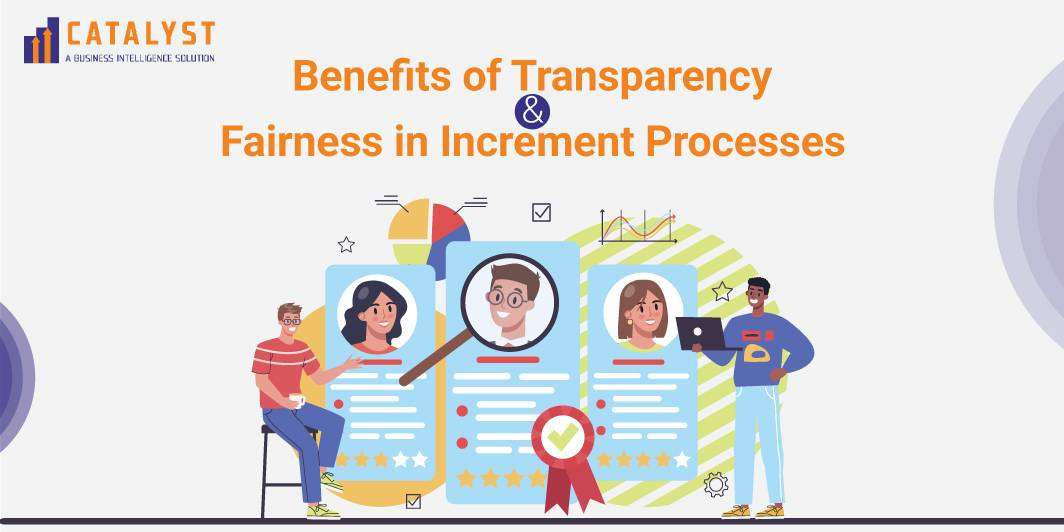
    Benefits Of Transparency & Fairness In Increment Processes

    In India, many companies lack transparency and fairness in their increment and compensation strategies. This is why they face a myriad of challenges that impact employee morale, productivity and retention. Employees left in the dark about how salary increases are determined begin to feel distrustful, left out and undervalued. Without clear and consistent criteria for evaluating performance and awarding increases, employees perceive unfairness and inequalities in the system. This leads to lower motivation, dissatisfaction and reduced productivity. Employee trust in management suffers and tensions start brewing among staff. Ultimately, high-performer retention becomes an issue as disengaged employees start looking elsewhere for better opportunities.

    Wait! If your organization is going through such challenges, transparency and fairness in increment practices are crucial to improving the work environment. As the best business performance management software, Phi EDGE Software by Phi EDGE can be a game changer for your organization. But first, let’s get the basics clear.

    WHAT IS WORKPLACE TRANSPARENCY?

    Workplace transparency refers to open communication, clarity and sharing of accurate information within an organization. When employers are transparent with employees, they share company policies, performance data, compensation strategies and other relevant information openly and honestly. Transparency helps build trust between managers and employees. At Phi EDGE, we can say that most of our client organizations are moving towards workplace transparency by opting for business performance management software.

    WHY IS TRANSPARENCY IMPORTANT AT WORK?

    Transparency in the workplace has many benefits:

    • Higher Employee Engagement: When employees feel informed about the company’s performance and compensation strategies, they are more likely to be productive and engaged in their work.
    • Improved Organizational Performance: Transparency can help improve communication, clarify expectations and defuse distrust, which leads to better productivity and performance.
    • Lower Employee Turnover: Transparent companies have lower employee turnover as employees are less likely to feel undervalued or misled.

    WHAT DOES GOOD WORKPLACE TRANSPARENCY LOOK LIKE?


    Good workplace transparency involves:

    • Openly disclosing company policies, strategies, financial data and other relevant information to employees
    • Sharing employee performance evaluation criteria and giving honest feedback
    • Providing opportunities for employees to ask questions openly and honestly
    • Communicating career development plans and compensation strategies in a clear and timely manner

    WHAT ARE THE ADVANTAGES OF TRANSPARENCY IN BUSINESS?

    • Increased employee trust: Transparency helps build trust between management and employees.
    • Better decision-making: Transparency gives employees a greater understanding of business challenges and opportunities which helps improve decisions.
    • Higher productivity: Employees work more effectively when they understand expectations and goals. Companies can also track their productivity with business performance management software like Phi EDGE.
    • Improved company reputation: Transparency strengthens a company’s brand and reputation internally and externally.

    WHAT IS FAIRNESS IN THE WORKPLACE?  

    Fairness in the workplace involves treating all employees equally, with respect and dignity. It means implementing policies, practices and total rewards strategies that are non-discriminatory and reasonable. Fairness ensures that employees performing similar work receive similar compensation and opportunities.

    THE FAIRNESS FACTOR

    Ensuring fairness in salary increments and compensation programs is vital for employee morale and engagement. Some ways to promote fairness are:

    • Applying consistent criteria and metrics to evaluate employee performance
      • Giving all employees equal opportunity to ask questions and provide feedback
      • Providing explanations so employees know their increment is fairly compensated
      • Using market data and peer group comparisons to benchmark jobs and salaries
      • Asking for honest feedback from employees on perceived fairness

    5 STEPS FOR BETTER TRANSPARENCY

    To increase transparency and fairness in increments and pay practices, companies can:

    1. Create an open and transparent communication strategy to give clear expectations upfront
    2. Disclose compensation strategies and data with CFO and HR leaders communicating them in a step-by-step manner
    3. Give employees the opportunity to give feedback  and challenge perceived unfairness
    4. Implement management solutions that provide real-time visibility into budgets and compensation plans
    5. Encourage two-way communication between everyone involved to increase trust and satisfaction.

    CONCLUSION

    In conclusion, transparency and fairness go hand in hand to create a positive work environment where employees feel informed, engaged and motivated to perform at their best. Implementing these principles in increment policies and strategies can significantly improve employee productivity, retention and organizational performance. You can opt for corporate performance management software to keep track of employee performance-related factors. Choose Phi EDGE by Phi EDGE to evaluate performance objectively, allow employee feedback, get real-time reports, etc. In short, Phi EDGE aims to transform performance management with tools that bring transparency, simplicity and fairness – reflecting organizational values of openness, trust and meritocracy through data-backed increment recommendations that motivate high performance. Get in touch to book a demo today!

  • New Age Performance Management

    New Age Performance Management

    Performance management has long been a challenging topic, causing discomfort for both managers and teams. Traditional methods often lead to frustration, biases, and inefficiencies. Recognizing these concerns, we are moving towards a new era of performance management that promises to reshape the landscape, making it more efficient, transparent, and motivating for everyone involved.

    Managerial Discomfort: Managers have faced a slew of challenges in the realm of performance management. The act of setting goals that align with organizational objectives while remaining measurable and acceptable to teams can often feel like walking a tightrope. Add to this the time-consuming task of monthly or quarterly reviews alongside daily work pressures, and the predicament becomes evident. Constructive feedback, though uncomfortable, needs to be delivered without demotivating the team. Yet, tracking the dispersion and impact of feedback is often elusive. Furthermore, calculating performance accurately, particularly in larger teams, can be a laborious process prone to errors. Despite earnest attempts, bias, whether real or perceived, can infiltrate the evaluation process.

    Team Concerns: Teams are no strangers to the discomfort inherent in traditional performance management. The struggle to set ambitious goals becomes a daunting task, as unmet objectives can hinder professional growth. Continuous feedback, especially for goals that defy easy quantification and control, can breed frustration. Teams are haunted by the specter of bias, which can disrupt the harmony of teamwork. The rituals of self-review, coupled with lengthy discussions that pivot around goal non-attainment, often overshadow opportunities for improvement.

    Embracing New Age Performance Management

    To overcome these hurdles, we are embracing a new age digital performance management system designed to transform the experience for both managers and teams.

    Digital Transformation:

    Our approach is centered on digitizing performance management, making it engaging and streamlined. Performance metrics are tracked in real time, creating a dynamic and up-to-date picture of achievements. This not only eliminates the painstaking process of manual calculations but also enhances the accuracy of evaluations.

    One of the core benefits of our approach is the real-time tracking of performance metrics. By capturing data as it happens, we create a dynamic and up-to-date picture of achievements. This shift from traditional, periodic performance evaluations to continuous monitoring allows for a more accurate representation of an individual’s or team’s progress. It eliminates the need for painstaking manual calculations and minimizes the chances of errors or oversights in the assessment process.

    Impartial System, Empowered Teams:

    In this new paradigm, the system, not the manager, takes on the role of evaluator. Scores and ratings are determined by measurable goals, minimizing the intrusion of biases. This approach instills a sense of impartiality and fosters an environment of trust and fairness.

    Simplified Feedback:

    Timely feedback is pivotal for growth, which is why we’ve made it easy for teams to submit their reviews through platforms as familiar as WhatsApp. This simplification encourages open communication and ensures that feedback reaches its intended recipients promptly. By embracing WhatsApp and similar widely-used communication platforms, we remove barriers to feedback submission. Team members can provide input and assessments without the need to navigate complex or unfamiliar systems. This simplicity encourages open communication and participation, as individuals are more likely to engage when the process feels effortless and
    accessible.

    Efficiency in Goal Setting:
    Efficiency in goal setting is a critical component of any successful organization’s strategy. One of the key ways to enhance this efficiency is by implementing user-friendly goal uploaders. These tools simplify the process of setting and submitting goals, reducing the burden on teams and individuals.

    By streamlining the goal-setting process, organizations can ensure that their teams can focus on what truly matters –their core responsibilities. When teams are not bogged down by cumbersome administrative procedures, they can channel their time and energy into their primary tasks and projects. This not only boosts productivity but also fosters a sense of empowerment and ownership among team members, as they have more time to dedicate to meaningful work.

    A Holistic Approach: Our new-age performance management system doesn’t just stop at evaluations. It seamlessly integrates with modules like succession planning, Individual Development Plans (IDP), Performance Improvement Plans (PIP), and the 9-box grid. This holistic approach ensures that performance management is aligned with a broader talent management strategy.

    Experience the Future with Phi EDGE

    As we embrace this new age of performance management, we invite you to experience the future with Phi EDGE. Say goodbye to discomfort and frustration and hello to a system that celebrates performance, nurtures growth, and upholds transparency and fairness.

    If you’re ready to revolutionize your performance management process and empower your teams, book a demo with us today. Let us show you how Phi EDGE can transform your organization and propel it into a future of endless possibilities.

    Don’t miss out on the opportunity to be a part of the next generation of performance management. Contact us now to
    schedule your Phi EDGE demo and take the first step towards a brighter, more efficient future. Your team and your organization will thank you for it.