Author: admin

  • 5 common reasons why employees fail to achieve targets on time

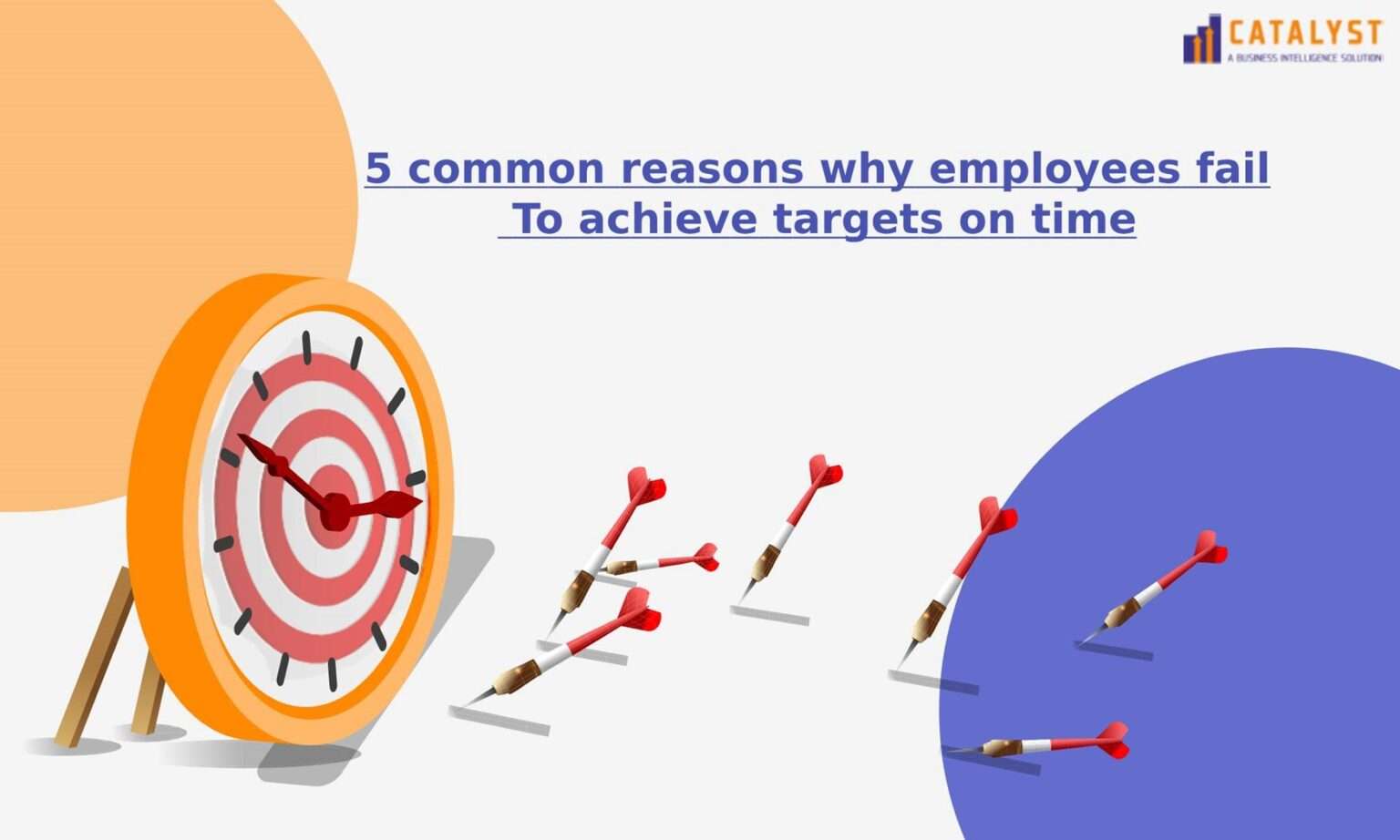
    5 common reasons why employees fail to achieve targets on time

    In today’s fast-paced and competitive business world, meeting targets and deadlines is crucial for the success of any organization. However, despite setting clear objectives and providing resources, many employees still struggle to achieve  targets on time. This not only affects individual performance but also impacts the overall productivity and profitability of the organization. In this blog, we will explore five common reasons why employees fail to achieve targets on time and discuss how a performance management tool like Phi EDGE can help overcome these challenges.

    Lack of Clear Goals and Expectations:

    One of the primary reasons why employees fail to meet their targets is the absence of clear and well-defined goals and expectations. When employees are unsure about what is expected of them or have vague objectives, they are more likely to lose focus and direction. This lack of clarity can result in wasted time and effort as employees may prioritize tasks incorrectly or engage in activities that do not contribute to their targets.

    Inadequate Resource and Support:

    Another common reason for missed targets is the lack of necessary resources and support. When employees do not have access to the tools, technology, or information they need to perform their tasks efficiently, it becomes challenging for them to meet deadlines. Additionally, a lack of managerial support or guidance can lead to frustration and a sense of helplessness.

    Poor Time Management:

    Time management is a critical skill that many employees struggle with. Procrastination, distractions, and ineffective prioritization can lead to delays in completing tasks. Employees who do not manage their time well often find themselves rushing to meet deadlines, resulting in subpar work quality.

    Lack of Motivation and Engagement:

    Employees who are not motivated or engaged in their work are more likely to miss targets. A lack of enthusiasm can lead to decreased productivity and a lower commitment to achieving goals. Employees may also feel disconnected from the company’s mission and vision, further impacting their performance.

    Ineffective Communication and Collaboration:

    In many organizations, missed targets can be attributed to poor communication and collaboration among team members. When employees do not communicate effectively or collaborate with colleagues, it can lead to misunderstandings, duplication of efforts, and missed deadlines.

    Conclusion:

    Meeting targets and deadlines is crucial for the success of any organization, but many employees face challenges that hinder their ability to achieve their goals on time. From unclear expectations to poor time management and lack of motivation, these obstacles can impact individual and organizational performance. However, a performance management tool like Phi EDGE can play a significant role in addressing these challenges.

    Phi EDGE provides a comprehensive solution for setting clear goals, allocating resources, improving time management, boosting motivation and engagement, and enhancing communication and collaboration among employees. By leveraging the features of Phi EDGE, organizations can create a more conducive environment for employees to meet their targets on time and drive overall success.

    In conclusion, it’s essential for organizations to recognize the factors contributing to missed targets and invest in tools and strategies, such as Phi EDGE, that can help employees overcome these challenges and achieve their goals effectively and efficiently.

  • Setting and Measuring Performance-Oriented Professional Development Goals

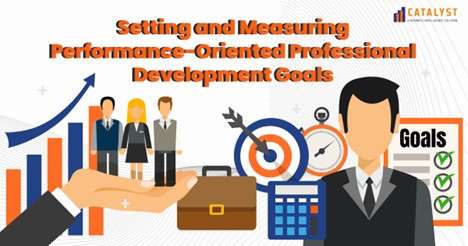
    Setting and Measuring Performance-Oriented Professional Development Goals

    As a leader, nurturing your team’s success requires more than a vague vision of achievement. To ensure your employees and your organization thrive, it’s crucial to establish clear and defined professional development goals. These goals not only bolster individual growth but also contribute to team and organizational success. In this article, we’ll explore the importance of professional development goals, and characteristics of effective goals, and provide tips for helping your team set and measure these goals. Additionally, we’ll discuss how Phi EDGE, a performance management tool, can assist in tracking and evaluating goals on a monthly basis.

    Understanding Professional Development Goals

    Professional development goals are specific objectives aimed at improving an individual’s performance in their current role or advancing their career. These goals align employees with organizational values, fostering both personal and company growth. When employees pursue professional development goals, it benefits both the individual and the organization. Highly engaged employees who see a clear career trajectory are more likely to stay with the company, resulting in improved retention rates.

    Furthermore, prioritizing professional development showcases a company’s commitment to employee growth, positively impacting morale, company culture, and productivity.

    Characteristics of Effective Professional Development Goals

    Effective professional development goals share several key characteristics. They are Specific, Measurable, Achievable, Relevant, and Time-Bound (SMART). These criteria provide clarity, focus, and accountability for goal setting. Additionally, effective goals should be meaningful and motivating, giving individuals a purpose behind their pursuits.

    For example, rather than a vague goal like “Improve computer skills,” a SMART goal would be “Complete one software course in the next 90 days to better support my team during Q2’s product launch.” This goal meets all SMART criteria, ensuring it is specific, measurable, achievable, relevant, time-bound, and meaningful.

    Tips for Setting Professional Development Goals

    Time management is critical Here are five tips for helping your team set and achieve professional development goals:

    Help employees gain clarity on their goals: Some employees may need guidance to define their
    professional development goals. Engage in discussions with them to ask specific questions that lead to goal clarity. Encourage them to envision their desired career progression and the competencies required.

    Define the “why”: Connect professional development goals to the organizational purpose. Explain how achieving these goals will benefit the company’s mission and the employee’s personal growth.

    Make a plan: Develop a detailed plan outlining the steps and activities needed to accomplish each goal. This plan acts as a roadmap for employees to follow.

    Break down large goals into smaller ones: Divide substantial goals into manageable micro-goals to avoid overwhelming employees. Achieving smaller milestones provides frequent positive reinforcement and maintains motivation.

    Be flexible and adapt as necessary: Recognize that circumstances change, and goals may need adjustments. Regularly review and revisit goals with your employees to ensure they remain
    realistic and relevant.

    Measuring Goals with Phi EDGE:

    Phi EDGE, our performance management tool, plays a crucial role in tracking and measuring professional development goals on a monthly basis. It facilitates the process by:

    ·     Providing a platform for setting and documenting SMART goals.

    ·        Sending regular reminders to employees to review and update their goals.

    ·        Allowing employees to track their progress, making it easier to identify any deviations.

    ·        Offering a platform for managers to provide feedback and evaluate goal achievement.

    With Phi EDGE, you can ensure that your team’s professional development goals remain on track, helping individuals thrive while contributing to your company’s overall success. By aligning performance, goal setting, and performance management, Phi EDGE becomes an invaluable tool in your journey toward excellence.

  • Crafting a Roadmap to Career Success: Building and Navigating Individual Development Plans (IDPs)

    Crafting a Roadmap to Career Success: Building and Navigating Individual Development Plans (IDPs)

    In the ever-evolving landscape of work, there are numerous variables beyond our control. However, one element that you can steer with precision is your career trajectory. Individual Development Plans (IDPs) serve as invaluable tools that empower you to take charge of your professional journey. Much like a GPS system guiding you toward a destination, IDPs provide a structured path to personal and career growth. They are not static documents; instead, they are dynamic blueprints that adapt as your career evolves. In this comprehensive guide, we will delve into the steps for creating an IDP, emphasizing the process, and highlighting how Phi EDGE, a comprehensive performance management tool, can facilitate this journey.


    The IDP Creation Process: A Detailed Exploration:

    Professional Recognizing Your Strengths: The first step in crafting a robust IDP is to identify and acknowledge your strengths. These strengths can encompass a wide range of attributes, including knowledge, skills, and behaviours that set you apart and contribute to your success. It’s crucial to remember that strengths can take diverse forms and are not confined solely to technical abilities. Traits such as empathy and effective communication can be equally impactful within an organizational context.


    To identify your strengths, consider leveraging feedback from performance reviews. Analyze self-assessments that incorporate feedback from managers and peers. Look for consistent themes and trends in the feedback. What are your colleagues consistently praising you for? If several people from different working relationships highlight a particular quality or skill, it is likely one of your strengths. Moreover, take a broader perspective by considering your personal relationships. What do friends or family members often turn to you for assistance with? These instances outside the workplace also reveal your strengths.

    Remember, your strengths form the bedrock of your personal value proposition to your manager, team, and organization. They are likely the very qualities that led to your initial hiring. While discussing your strengths might feel uncomfortable or like self-promotion, there is no one better
    equipped to articulate them than you. Think about what comes naturally to you or what tasks you execute more efficiently or effortlessly than others. One effective way to frame your strengths is by reflecting on the business impact or measurable results they have generated. It’s not merely about possessing a skill; it’s about applying that skill in a way that benefits your team and organization.

    However, it’s crucial to maintain focus and avoid overwhelming yourself. A focused approach is often more effective. Aim to keep your list of strengths concise, typically comprising six to eight items.

    Capturing Development Opportunities: Just as strengths are the shining facets of your professional identity, development opportunities are areas where growth is needed. Instead of viewing these areas as weaknesses, consider them as untapped reservoirs of potential knowledge, skills, and behaviors that can be cultivated for future success. To identify these development opportunities, revisit your performance reviews and feedback.

    Analyze the feedback, seeking recurring themes across various sources. What aspects do your colleagues believe you could improve upon? It’s essential to recognize that we all possess blind spots when it comes to our performance and behaviour, as well as their impact on others. Constructive feedback, though sometimes uncomfortable to receive or provide, often proves more valuable for career growth and development.

    Additionally, engage in internal reflection to pinpoint areas or skills that you wish to develop. Consider qualities you can nurture or skills and knowledge you can acquire to enhance your performance on specific projects or within your role as a whole. Contemplate actions you can take today to future-proof your job and align your development with evolving industry demands. Prioritize development opportunities based on factors like current progress, feasibility, and potential impact.

    Envisioning a Long-Term Career Vision: While the future is inherently uncertain, it is essential to craft a long-term career vision that provides direction for your professional journey. This vision serves as your North Star, guiding your decisions and actions. Rather than fixating solely on job titles, focus on three critical aspects:

    a. Motivators:
    Motivators are the driving forces that fuel your passion for work. They are the aspects of your job that inspire you to overcome challenges and persist. Identifying your top three motivators is crucial. Common motivators include autonomy, recognition, compensation, creativity, influence, learning, lifestyle, problem-solving, relationships, social impact, security, and variety. Motivators can be intrinsic, extrinsic, or a combination of both. While their priority may shift over time, they often remain relatively stable throughout your life.

    b. Purpose:
    Beyond daily tasks, we all yearn to contribute to something more significant than ourselves. Reflect on what drives you, not just at work but in life as a whole. Consider the impact you aspire to make within your workplace, home, community, or the world.

    c. Environment:
    The culture of an organization plays a pivotal role in your career satisfaction. A positive organizational culture fosters employee engagement, happiness, and peak performance. Such a culture is characterized by clearly defined values that align with your personal values, a commitment to fostering a sense of belonging, and consistent follow-through on organizational promises. Furthermore, accountability at all levels contributes to a thriving organizational culture. A famous quote by psychologist John Amaechi emphasizes the significance of culture: “A culture is defined by the worst behaviour tolerated.”

    Formulating a Shorter-Term Career Plan: With your long-term career vision as your guiding star, formulate a shorter-term career plan that serves as a bridge between your current status and your future aspirations. Realize that there may be multiple paths leading you to your ultimate destination. This short-term plan offers flexibility, allowing you to adapt and make course corrections as necessary.

    Begin by compiling a list of potential short-term opportunities. Cast a wide net, considering options both within your team and organization and outside your industry. Next, narrow down the possibilities by considering various constraints such as your motivators, strengths, resources, and development areas. Prioritize development opportunities that you can work on presently, those where you have already made progress, or those that promise the most substantial impact on your career trajectory.

    Detailing Immediate Growth Areas: Equipped with a short-term career plan aligned with your long-term vision, it is crucial to outline actionable steps that will bring your plan to fruition. Break down your goals into specific, manageable tasks that you can tackle incrementally. This approach prevents large plans from feeling overwhelming and enables you to track your progress effectively. One effective framework for planning is the “3 E’s”: Education, Exposure, and Experience.

    a. Education:
    Seek out formal and informal educational resources to build your knowledge base. This can include enrolling in courses, attending training sessions, reading books, articles, webinars, or any available resources relevant to your development areas.

    b. Exposure:
    Connect with individuals who already possess the skills or knowledge you are aiming to acquire. Leverage mentors, engage in informational interviews, or tap into your network, including both close contacts and loose connections. Sociologist Mark Granovetter’s research on the strength of weak ties underscores the potential of diverse connections in opening up unanticipated opportunities.

    c. Experience:
    Gaining hands-on experience is often the most effective way to develop your skills and knowledge. Applying your learning in practical settings allows you to refine and solidify your competencies.

    How Phi EDGE Streamlines IDP Creation

    Phi EDGE, our Phi EDGE, a comprehensive performance management tool, is designed to simplify and enhance the IDP creation process. Here’s how it can significantly support you in this journey:


    Structured Goal Setting:

    Phi EDGE provides a structured platform for setting and documenting your IDP goals. This structured approach ensures clarity and alignment with your career vision, making it easier to monitor progress.

    Regular Reminders:
    The tool sends timely reminders to prompt you to revisit and update your Individual Development Plans (IDP) regularly. This feature helps you stay committed to your career development plan.

    Progress Tracking:
    Within Phi EDGE, you can monitor your progress and make necessary adjustments as you work toward your goals. This feature aids in maintaining focus and ensuring you remain on the path to your desired destination.

    Feedback and Evaluation: Managers and colleagues can provide feedback and evaluate your progress directly within the Phi EDGE platform. This collaborative aspect offers valuable insights, guidance, and an opportunity for ongoing support.

    By leveraging Phi EDGE, you can streamline the Individual Development Plans (IDP) creation process, transforming it into a dynamic and efficient tool for shaping your career journey. Your IDP evolves in tandem with your career, ensuring that you remain aligned with your long-term goals and adaptable to changes in your professional landscape.

    Conclusion: Crafting Your Path to Success

    In conclusion, Individual Development Plans (IDPs) serve as indispensable tools for taking an active role in shaping your career trajectory. Crafting an effective IDP involves a multi-step process, beginning with the recognition of your strengths and development opportunities. Your long-term career vision, characterized by motivators, purpose, and preferred work environment, provides the overarching direction for your journey. A shorter-term career plan bridges the gap between your current status and long-term aspirations, allowing for adaptability. Detailed actionable steps within immediate growth areas, encompassing education, exposure, and experience, serve as the building blocks of your plan.

    Phi EDGE, the comprehensive performance management tool, plays a pivotal role in streamlining and enhancing the IDP creation process. With structured goal setting, regular reminders, progress tracking, and a feedback-driven approach, Phi EDGE empowers you to navigate your career path with confidence and efficiency. Remember, your IDP is not a static document but a dynamic roadmap that evolves alongside your career. Regular revisions and updates ensure that you remain agile and optimally positioned for long-term success.

    By embracing the process of IDP creation and leveraging tools like Phi EDGE, you take a proactive step toward realizing your career aspirations and achieving professional excellence. Your career journey becomes not just a destination but a fulfilling and purpose-driven adventure.

  • Exposing the Myths about Performance Reviews

    Exposing the Myths about Performance Reviews

    Performance reviews, often considered a necessary evil in the corporate world, have gathered their fair share of myths and misconceptions over the years. As organizations strive to enhance their performance management processes, it’s crucial to expose these myths to foster a more transparent and effective work environment. In this blog, we’ll unravel five common misconceptions about performance reviews and shed light on the truths behind them.

    Myth 1: Performance Reviews Are Only an Annual Affair

    One prevailing myth surrounding performance reviews is that they occur only once a year. However, progressive organizations are moving away from the annual performance review model. The truth is, that effective performance management is an ongoing process that involves regular feedback, goal setting, and coaching. Waiting a whole year to provide constructive feedback can hinder employee development and negatively impact overall performance.

    Myth 2: Performance Reviews Are Solely for Evaluation

    Another misconception is that performance reviews exist solely for evaluating an employee’s past performance. While evaluation is an essential aspect, modern performance management recognizes the need for a forward-looking approach. Performance reviews should also serve as a platform for goal-setting, development planning, and discussing career aspirations. A comprehensive performance management system considers both past achievements and future growth opportunities.

    Myth 3: One-Size-Fits-All Approach Works for Performance Reviews

    Many organizations fall into the trap of adopting a generic, one-size-fits-all approach to performance reviews. However, employees have diverse roles, responsibilities, and career paths. A successful performance management system recognizes these differences and tailors the review process to suit individual needs. Customization allows for a more accurate assessment of performance, leading to targeted development strategies and improved employee satisfaction.

    Myth 4: Performance Reviews Are Primarily for the Benefit of Managers

    Some employees perceive performance reviews as a process designed solely for the benefit of managers and upper management. However, the reality is that effective performance reviews are a two-way street, benefiting both employees and the organization as a whole. These reviews provide employees with valuable insights into their strengths and areas for improvement, fostering personal and professional growth. When employees feel valued and supported, the entire organization reaps the rewards in terms of increased productivity and morale.

    Myth 5: Performance Reviews Are Detached from Business Goals

    A prevalent myth is that performance reviews are detached from broader business goals and objectives. In reality, a well-designed performance management system aligns individual goals with organizational objectives. When employees understand how their contributions impact the overall success of the company, it creates a sense of purpose and motivation. By integrating performance reviews into the broader business strategy, organizations can ensure that every employee’s efforts contribute to the achievement of overarching goals.

    Phi EDGE: A Performance Management System Revolutionizing Reviews

    Amidst these common myths and misconceptions, there is a beacon of hope for organizations seeking to redefine their performance management processes. Phi EDGE, a leading performance management system, has been instrumental in dispelling these myths and helping over 10,000 users achieve their business goals.

    Phi EDGE understands that performance management is not a one-size-fits-all endeavor. With its customizable features, Phi EDGE allows organizations to tailor their performance reviews to suit the unique needs of their workforce. By embracing a continuous feedback model, Phi EDGE ensures that employees receive timely and constructive input, fostering a culture of growth and development.

    Moreover, Phi EDGE goes beyond mere evaluation and incorporates forward-looking elements into its performance management approach. The platform facilitates ongoing goal-setting, career planning, and coaching, transforming performance reviews into a strategic tool for employee development.

    Unlike traditional performance management systems, Phi EDGE recognizes that the success of an organization is intricately linked to the success of its employees. The platform encourages a collaborative approach, ensuring that performance reviews benefit both individuals and the organization as a whole.

    In conclusion, it’s time to dispel the myths surrounding performance reviews and embrace a more enlightened approach. Phi EDGE, with its innovative features and proven track record, stands as a testament to the positive impact a well-designed performance management system can have on organizational success. Don’t let misconceptions hinder your path to excellence—schedule a demo with Phi EDGE today and revolutionize your approach to performance management. Together, let’s unlock the full potential of your workforce and propel your organization toward unprecedented success.

  • The Crucial Role of Cascading Goals in Business Performance

    The Crucial Role of Cascading Goals in Business Performance

    As we step into an era of extraordinary change and innovation, the importance of strategic goal-setting within organizations cannot be overstated. Cascading goals, a structured approach to aligning objectives from the top leadership down to individual contributors, have emerged as a cornerstone for driving superior business performance. In this blog, we’ll explore the significance of cascading goals in a generic sense and later discover how Phi EDGE, a leading performance management system, stands out as the perfect ally in achieving these objectives.

    The Foundation of Success: Cascading Goals

    Cascading goals lay the groundwork for a well-aligned and motivated workforce, fostering a sense of purpose and direction within the organization. Let’s delve into the key benefits of cascading goals that
    contribute to superior business performance:

    Alignment across the Hierarchy:

    Cascading goals ensure that every member of the organization, from the C-suite to front-line employees, is moving in unison towards shared objectives. This alignment creates a cohesive and focused environment where individual efforts contribute directly to departmental and organizational success.

    Enhanced Communication and Collaboration:

    Open communication is a hallmark of successful organizations. Cascading goals encourage transparent communication channels, allowing for a free flow of information between leadership and employees. This transparency, in turn, fosters collaboration and collective problem-solving, contributing to a culture of innovation.

    Agility in Goal Adaptation:

    In the ever-evolving business landscape, adaptability is key. Cascading goals provide the flexibility needed to respond quickly to changing market dynamics. Whether it’s a shift in priorities or a response to emerging opportunities, this agility ensures the organization remains resilient and responsive.

    Phi EDGE: Elevating Your Performance Management Experience

    In the pursuit of aligning and achieving cascading goals, organizations need a robust performance management system. Phi EDGE, renowned for its prowess as the go-to performance management system, seamlessly integrates with the principles of cascading goals to enhance organizational performance.

    Customizable Goal Framework:

    Recognizing the uniqueness of each organization, Phi EDGE offers a customizable goal framework. Tailor your goals to align with your specific business objectives, whether they be departmental initiatives or individual performance metrics. Phi EDGE ensures that your goal-setting process reflects the distinctive identity of your organization.

    Real-time Visibility and Tracking:

    In the fast-paced business environment, real-time insights are invaluable. Phi EDGE centralized dashboard provides a comprehensive view of goal progress at every level. This real-time visibility empowers leaders with the information needed to make informed decisions and celebrate successes promptly.

    Collaborative Goal Setting and Feedback:

    Phi EDGE fosters a collaborative approach to goal setting and feedback. Engage your teams in defining their goals, leveraging the platform’s capabilities to encourage active participation. The feedback loop within Phi EDGE facilitates ongoing communication, creating a culture of continuous improvement and employee development.

    Integration with Business Strategy:

    What sets Phi EDGE apart is its seamless integration with overall business strategy. Your cascading goals within Phi EDGE are not isolated; they are strategically connected to the broader organizational objectives. This ensures a holistic and cohesive approach to performance management.

    Elevate Your Performance with Phi EDGE

    As businesses navigate the complexities of today’s world, the strategic alignment of goals becomes a non-negotiable factor for success. Phi EDGE, as the pinnacle of performance management systems, empowers organizations to seamlessly integrate and achieve cascading goals. Customizable frameworks, real-time visibility, and collaborative features make Phi EDGE the Phi EDGE for organizational success.

    Embark on a transformative journey with Phi EDGE. Schedule a demo today and witness firsthand how over 10,000 users have revolutionized their performance management with Phi EDGE. Your journey towards excellence begins here – because at Phi EDGE, your success is the ultimate goal!

  • The Tech-Infused Evolution of Performance Management

    The Tech-Infused Evolution of Performance Management

    The Tech-Infused Evolution of Performance Management: How AI Is Redefining Employee Success

    Performance management is no longer limited to annual appraisal forms, manager ratings, and year-end discussions. Modern organisations operate in a faster, data-driven environment where business priorities, employee responsibilities, and skill requirements can change within months.

    This shift has created a new era of tech-infused performance management—a connected approach that combines artificial intelligence (AI), real-time analytics, automated KPI tracking, continuous feedback, and workforce intelligence.

    For HR leaders, the question is no longer, “How did an employee perform last year?” The more valuable question is, “What is affecting employee performance today, and what action can improve future outcomes?”

    This is where modern performance management software and AI-powered HRMS platforms are transforming the employee performance lifecycle.

    What Is Tech-Infused Performance Management?

    Tech-infused performance management is the use of HR technology, AI, automation, and workforce analytics to continuously set goals, track employee progress, collect feedback, and support data-driven performance decisions.

    Unlike traditional appraisal systems, modern performance management creates an ongoing cycle:

    Goal Setting → KPI Tracking → Continuous Feedback → Performance Analysis → Development Planning → Goal Realignment

    The objective is not simply to give employees a performance score. It is to create a transparent framework that connects individual contribution with departmental and organisational goals.

    Platforms such as Phi EDGE bring performance management into a connected HR ecosystem where employee goals, KPIs, feedback, competency data, and workforce insights can support better HR decisions.

    Internal Link Suggestion: Performance Management System
    Anchor Text: performance management system

    Why Is Traditional Performance Management Becoming Outdated?

    Traditional performance appraisals usually depend heavily on annual or half-yearly reviews. The problem is simple: businesses do not operate once a year.

    Projects change. Customer expectations evolve. Teams adopt new technology. Employees take on additional responsibilities.

    An annual appraisal may therefore evaluate an employee using information that is already several months old.

    Traditional systems may also face challenges such as:

    • Recency bias in manager ratings
    • Unclear or generic KPIs
    • Delayed employee feedback
    • Disconnected performance data
    • Manual appraisal documentation
    • Limited visibility into employee development
    • Difficulty connecting performance with business outcomes

    Technology helps organisations move from performance documentation to performance intelligence.

    How Is AI Transforming Performance Management?

    AI is changing performance management by helping HR teams and managers process performance information faster and identify patterns that may be difficult to detect manually.

    However, AI should not become an automatic judge of employees.

    Its strongest role is to support better human decisions.

    AI-Powered KPI Generation

    Creating relevant KPIs for hundreds of employees can be time-consuming. Generic performance metrics can also create unfair evaluations because every role contributes to the organisation differently.

    An AI KPI Generator can analyse job roles, responsibilities, and business objectives to suggest measurable performance indicators.

    For example, a sales employee may be evaluated using:

    • Revenue achievement
    • Lead conversion rate
    • Customer retention
    • Sales pipeline movement

    A project manager may require completely different KPIs:

    • Project completion timelines
    • Budget adherence
    • Resource utilisation
    • Quality benchmarks

    Role-specific KPIs improve performance clarity and help employees understand exactly how success is measured.

    Internal Link Suggestion:
    Anchor Text: AI KPI Generator Software
    URL: /blog/ai-hrms-software-in-india-smart-workforce-management-with-phi-edge/

    What Is Continuous Performance Management?

    Continuous performance management is an ongoing process of goal tracking, feedback, coaching, and employee development instead of relying only on annual appraisals.

    Imagine an employee receives feedback about a performance problem eleven months after it first appeared.

    The feedback may be accurate, but the opportunity for early improvement has already been lost.

    A continuous performance management system enables managers to conduct regular check-ins, monitor KPI progress, document feedback, and adjust goals when business priorities change.

    This creates a more useful question:

    “How can we improve performance now?”

    rather than:

    “Why was performance low last year?”

    For employees, continuous feedback can also reduce appraisal surprises. They gain better visibility into expectations, progress, and development areas throughout the performance cycle.

    How Does Real-Time Performance Tracking Improve Decision-Making?

    Real-time performance tracking gives managers timely visibility into employee goals and measurable progress.

    This does not mean monitoring every employee activity.

    Effective performance management should focus on relevant outcomes and clearly defined performance indicators.

    With real-time dashboards, HR and business leaders can identify:

    • Employees exceeding performance goals
    • KPIs consistently falling behind
    • Departments facing productivity challenges
    • Goals that may no longer match business priorities
    • Employees who may require coaching or training
    • Potential high performers for future development

    The value of real-time performance data is not the dashboard itself. The value comes from taking timely action based on the information.

    Phi EDGE’s existing case study coverage also explores real-time performance management and cloud-based performance systems, making these topics relevant supporting content for this performance technology cluster.

    Can Predictive Analytics Identify Future Performance Risks?

    Predictive performance analytics uses historical and current workforce data to identify patterns and potential performance risks.

    For example, a performance analytics system may highlight a pattern involving declining KPI achievement, repeated goal delays, or changing feedback trends.

    The system can flag the pattern for review.

    It should not automatically conclude that the employee is a poor performer.

    This distinction is critical.

    Predictive analytics should start a conversation—not make the final employee decision.

    A manager can review the context. Perhaps the employee has unclear goals. Maybe the workload has increased. The employee may require training, better resources, or role realignment.

    Used responsibly, predictive analytics can help organisations move from reactive performance correction to proactive employee support.

    How Does 360-Degree Feedback Fit into Modern Performance Management?

    Manager-only reviews provide one perspective. Modern organisations increasingly require a broader view of employee contribution, especially for leadership and collaborative roles.

    A 360-degree feedback system can collect structured feedback from managers, peers, direct reports, and other relevant stakeholders.

    This approach can provide insights into:

    • Leadership effectiveness
    • Communication skills
    • Collaboration
    • Accountability
    • Decision-making
    • People management
    • Workplace behaviour

    Technology makes the feedback process easier to administer, consolidate, and analyse.

    When combined with KPI data, 360-degree feedback creates a more balanced performance picture.

    Quantitative KPIs may show what an employee achieved.

    360-degree feedback can help explain how the employee achieved it.

    Internal Link Suggestion:
    Anchor Text: 360-degree feedback for better team performance

    How Can Technology Make Performance Appraisals More Transparent?

    Transparency is one of the biggest advantages of a structured employee performance management system.

    Employees should know:

    1. What goals they are expected to achieve.
    2. How their performance will be measured.
    3. Who will provide feedback.
    4. When performance reviews will happen.
    5. How performance data may influence development decisions.

    A technology-enabled appraisal process can maintain documented goals, KPI progress, feedback records, and review workflows in a centralised system.

    This reduces dependence on memory and disconnected spreadsheets.

    Transparency does not mean every performance decision becomes automatic. It means the performance process becomes clearer, more consistent, and easier to explain.

    Will AI Replace Managers in Employee Performance Reviews?

    No. AI can analyse data, identify patterns, recommend KPIs, and simplify performance workflows, but performance management still requires human judgment.

    A performance score may show that an employee missed a target.

    A manager needs to understand why.

    Was the target realistic?

    Did market conditions change?

    Was the employee given adequate resources?

    Did another department create a dependency?

    Does the employee require skill development?

    AI provides signals. Managers provide context.

    The future of performance management is therefore not AI versus human managers.

    It is AI-supported human decision-making.

    Organisations should also establish governance around performance data, role-based access, review processes, and human oversight when implementing AI-powered HR technology.

    How Are Performance Management and Talent Management Becoming Connected?

    Performance management cannot operate in isolation.

    Employee performance data can support wider talent decisions such as:

    • Learning and development
    • Succession planning
    • Internal mobility
    • Leadership development
    • Competency mapping
    • Employee recognition

    This is why integrated Talent Management System Software is becoming increasingly important.

    For example, performance data may identify an employee who consistently delivers strong results. Competency information and 360-degree feedback may then reveal whether the employee is ready for a leadership role.

    A 9 Box Grid can further help organisations evaluate performance and potential for talent planning.

    This creates a connected talent intelligence ecosystem instead of separate HR processes.

    Internal Link Suggestions:

    Anchor Text: Talent Management System Software
    URL: /talent-management-system-software/

    Anchor Text: 9 Box Grid for talent placement
    URL: /blog/9-box-grid-smart-hr-strategy-for-right-talent-placement-phi-edge/

    What Should Businesses Look for in Performance Management Software?

    Choosing performance management software should not be based only on the number of features displayed in a product demo.

    Businesses should evaluate whether the system fits their actual performance process.

    A future-ready platform should support:

    • Flexible goal and KPI configuration
    • Role-based performance metrics
    • Continuous feedback
    • Automated appraisal workflows
    • Real-time performance dashboards
    • 360-degree feedback
    • Competency management
    • Performance analytics
    • Employee self-service
    • Integration with HRMS and talent management

    Scalability is equally important.

    The performance framework of a 100-employee organisation may be very different from the needs of an enterprise managing 500, 1,000, or more employees across departments and locations.

    The software should adapt to the organisation’s performance framework instead of forcing every team into one rigid process.

    How Phi EDGE Supports the Evolution of Performance Management

    Phi EDGE operates across HRMS, HR Advisory, and Talent Acquisition, creating a people and technology ecosystem for modern organisations.

    Its performance-focused HR technology capabilities can help businesses structure employee goals, define measurable KPIs, improve appraisal workflows, and use workforce data more effectively.

    With technologies such as an AI KPI Generator, performance analytics, 360-degree feedback, and integrated talent management, organisations can build a more connected approach to employee performance.

    The objective is not to remove managers from performance decisions.

    The objective is to give HR teams and managers better information, structured processes, and timely performance insights.

    For organisations moving away from spreadsheet-based appraisals and fragmented feedback processes, an integrated HRMS can create greater visibility across the employee lifecycle.

    The Future of Performance Management Is Intelligent, Continuous, and Human-Centred

    Performance management is evolving from a periodic HR activity into a continuous business process.

    AI will help generate performance metrics.

    Automation will simplify appraisal workflows.

    Analytics will identify performance patterns.

    Connected HR systems will bring goals, feedback, competencies, and talent data together.

    But technology alone cannot build a high-performance culture.

    The most effective organisations will use technology to create clarity while keeping coaching, empathy, context, and human judgment at the centre of performance decisions.

    The future is not about monitoring employees more closely.

    It is about understanding performance more intelligently.

    For businesses preparing for the next phase of workforce transformation, tech-infused performance management offers an opportunity to turn employee data into meaningful development, stronger accountability, and better business alignment.

    Explore Phi EDGE HRMS and discover how intelligent performance management technology can help build a more transparent, data-driven, and future-ready workforce.

    Frequently Asked Questions About Tech-Infused Performance Management

    What is tech-infused performance management?

    Tech-infused performance management combines AI, automation, real-time analytics, KPI tracking, and continuous feedback to improve employee performance processes and support data-driven HR decisions.

    How does AI improve employee performance management?

    AI can help generate role-specific KPIs, analyse performance patterns, identify potential risks, and provide managers with actionable workforce insights. Final employee decisions should still involve human judgment.

    What is the difference between performance appraisal and performance management?

    Performance appraisal is usually a periodic evaluation of employee performance. Performance management is a continuous process involving goal setting, feedback, KPI tracking, coaching, development, and performance review.

    What is continuous performance management?

    Continuous performance management involves regular employee check-ins, ongoing feedback, real-time goal tracking, and timely coaching instead of relying only on annual reviews.

    Can performance management software reduce appraisal bias?

    Structured KPIs, documented feedback, and multi-source performance data can help reduce dependence on memory and subjective opinions. However, organisations still need human oversight and fair performance policies.

    What is an AI KPI Generator?

    An AI KPI Generator uses employee role information, responsibilities, and organisational objectives to suggest measurable key performance indicators for performance evaluation.

    Why is 360-degree feedback important?

    360-degree feedback provides multiple perspectives on employee behaviour, leadership, communication, and collaboration. It can complement quantitative KPI data and create a broader performance view.

    Can predictive analytics identify poor performers?

    Predictive analytics can identify performance patterns or potential risks, but it should not automatically label employees as poor performers. Analytics should support investigation, coaching, and human decision-making.

    Is performance management software suitable for large enterprises?

    Yes. Scalable performance management software can help large organisations manage complex appraisal cycles, multiple departments, role-specific KPIs, feedback workflows, and workforce analytics.

    How does Phi EDGE help with performance management?

    Phi EDGE combines HR technology and performance-focused tools such as AI KPI generation, structured performance processes, analytics, 360-degree feedback, and integrated talent management to help organisations build more transparent and data-driven performance systems.


    Navigating Modern Realities:

    The continuous evolution of the business landscape has driven organizations to reevaluate traditional performance management methods. Technological advancements are at the forefront of this transformation, offering innovative solutions to the challenges posed by modern workplace dynamics.

    Embracing Technology for Performance Excellence

    In the pursuit of excellence, organizations are increasingly turning to technology as a strategic ally. This shift signifies a departure from conventional approaches, emphasizing the need for tailored solutions that align with specific needs in the digital era. The adaptability offered by technology becomes a crucial asset, enabling companies to navigate the complicated shades of performance management in a manner that resonates with their unique business objectives.

    Tailoring Solutions for Success

    The essence of this technological embrace lies in tailoring solutions for success. By leveraging technology, organizations gain the ability to customize solutions that precisely meet their requirements. This adaptability ensures a strategic alignment with the organization’s goals, allowing for a more effective approach to performance management.

    Real-time Insights and Visibility

    A pivotal advancement in modern performance management is the capacity to provide real-time insights into individual and team performance. This standout feature brings about a transformative shift in the decision-making process, empowering leaders with timely information. This transparency not only enhances decision-making but also fosters a culture of continuous improvement and success.

    Collaborative Excellence

    Technology, far beyond being a mere tool, emerges as a Phi EDGE for fostering collaborative excellence within organizations. The incorporation of features that facilitate the fluid exchange of ideas and feedback is pivotal. This collaborative culture ensures that employees feel connected, engaged, and actively involved in their professional development, creating an environment conducive to innovation and growth.

    Strategic Alignment

    In the digital era, technology assumes a pivotal role in aligning individual and team goals with the broader business strategy. This integration ensures that every employee comprehends how their efforts contribute to overarching organizational objectives. The result is a sense of purpose that becomes a driving force behind collective success, as each individual understands their role in the larger narrative of the organization’s journey.

    As we delve deeper into this tech-infused evolution of performance management, it becomes evident that technology is not merely a facilitator but a transformative force shaping the very fabric of organizational dynamics. The strategic alignment of technology with business goals propels organizations toward a future where performance management is not just a process but a dynamic, purpose-driven journey.

    Phi EDGE: Leading the Charge in Digital Performance Management

    Tailored Goal Framework:

    Enter Phi EDGE, a solution uniquely tailored to meet the evolving needs of organizations in the digital era. Its customizable goal framework allows businesses to align their goal-setting process with specific objectives, ensuring that employees work towards goals that directly contribute to organizational success.

    Real-time Visibility and Collaboration:

    Phi EDGE provides a centralized dashboard offering a comprehensive view of individual and team performance. This real-time visibility fosters transparency, ensuring that achievements are celebrated promptly. The collaborative features within Phi EDGE contribute to an environment where ideas flow freely, and feedback is a continuous loop.

    Continuous Improvement:

    Phi EDGE actively contributes to a culture of continuous improvement. Its collaborative approach to goal setting and feedback enhances communication, ensuring that employees are not just meeting expectations but consistently exceeding them.

    Integration with Business Strategy:

    Phi EDGE seamlessly integrates performance management practices with overall business strategy. Understanding how individual efforts align with broader organizational objectives provides clarity for employees and reinforces their sense of purpose within the organization.

    Phi EDGE: Your Strategic Partner in Performance Transformation

    As we witness the tech-infused evolution of performance management, Phi EDGE stands out as your strategic partner in this transformative journey. The platform represents the culmination of technological advancements and innovative thinking, empowering organizations to thrive in the digital era.

    Ready to experience the future of performance management? Book a demo with Phi EDGE today and witness firsthand how this cutting-edge solution can revolutionize your approach to performance excellence. Together, let’s embrace the future of performance management and unlock unparalleled achievements in the world of digital collaboration.
  • The Strategic Role of Employee KPI Software in Modern Workplaces

    The Strategic Role of Employee KPI Software in Modern Workplaces

    The Strategic Role of Employee KPI Software in Modern Workplaces

    With technology-driven labor management solutions, modern workplaces are changing quickly. In order to sustain productivity and organizational growth, businesses now need more than just typical employee assessments. Here, employee KPI software is essential to an organization’s ability to measure productivity, manage employee performance, and effectively accomplish corporate goals.

    Businesses can monitor employee contributions through goal tracking systems, performance dashboards, and real-time analytics with employee KPI (Key Performance Indicator) software. Organizations in competitive industries use KPI management systems to enhance decision-making, staff engagement, and workforce productivity.

    What is Employee KPI Software?

    A digital performance management tool called employee KPI software aids companies in monitoring, evaluating, and controlling employee performance indicators. It enables businesses to establish quantifiable objectives, track advancement, and assess worker productivity using data-driven insights.

    Modern KPI software offers automatic reporting and ongoing performance monitoring, in contrast to conventional appraisal techniques. This aids managers and HR teams in identifying high performers, filling up performance gaps, and enhancing workforce planning techniques.


    Organizations are continuously looking for creative ways to improve performance, optimize employee potential, and expedite procedures in the fast-paced, dynamic environment of contemporary workplaces. Employee Key Performance Indicator (KPI) software is one of these solutions that has become a strategic tool and is essential to the success of modern businesses.

    Unlocking Performance Insights:

    Employee KPI Software serves as a powerful lens, providing organizations with valuable insights into individual and collective performance. By establishing measurable goals and benchmarks, organizations can gain a comprehensive understanding of how well employees are contributing to strategic objectives. This data-driven approach allows for informed decision-making and targeted interventions.

    Aligning Objectives Across Teams:

    One of the strategic advantages of Employee KPI Software is its ability to align individual and team objectives with broader organizational goals. Through transparent goal-setting and regular monitoring, employees can see how their efforts contribute to the overall success of the organization. This alignment fosters a sense of purpose, unity, and shared responsibility among team members.

    Promoting a Culture of Accountability:

    In modern workplaces, fostering a culture of accountability is essential for sustained success. Employee KPI Software acts as a Phi EDGE for creating this culture by providing a clear framework for setting expectations, tracking progress, and holding individuals accountable for their contributions. This shift towards accountability enhances overall organizational performance.

    Continuous Improvement and Feedback:

    Strategic growth requires a commitment to continuous improvement, and Employee KPI Software facilitates this journey. By offering real-time feedback and performance metrics, organizations can identify areas for improvement and implement targeted training or development programs. This iterative process ensures that employees are continually evolving and adapting to meet the evolving needs of the organization.

    Enhanced Decision-Making with Advanced Analytics:

    Modern workplaces thrive on data-driven decision-making. Employee KPI Software goes beyond basic performance metrics by offering advanced analytics. Organizations can leverage these analytics to gain a deeper understanding of workforce dynamics, identify trends, and make strategic decisions that impact the bottom line.

    Conclusion – Empowering Modern Workplaces with Phi EDGE:

    As organizations navigate the complexities of modern workplaces, it’s crucial to introduce a robust solution that aligns with their strategic goals. Phi EDGE Performance Management Software stands out as a comprehensive platform designed to empower modern workplaces. With its advanced features, goal alignment capabilities, and holistic approach to performance management, Phi EDGE is poised to elevate organizations to new heights.

    In conclusion, the strategic role of Employee KPI Software in modern workplaces cannot be overstated. It serves as a linchpin for achieving organizational goals, promoting accountability, and fostering a culture of continuous improvement. Explore the transformative potential of Phi EDGE to strategically enhance your organization’s performance and drive success in the modern era.

  • How to Identify High Performers with HR Analytics Management Tool | Phi EDGE

    How to Identify High Performers with HR Analytics Management Tool | Phi EDGE

    How to Identify High Performers with HR Analytics Management Tool with Phi EDGE

    In today’s competitive business environment, organizations are constantly searching for ways to improve productivity, retain top talent, and build high-performing teams. Traditional methods of employee evaluation are no longer enough to identify true performers accurately. Modern businesses now rely on advanced HR analytics management tools to make data-driven workforce decisions.

    Phi EDGE helps organizations transform HR operations through intelligent analytics, employee performance tracking, and workforce optimization. By using HR analytics tools, businesses can identify high-performing employees, improve engagement, reduce turnover, and create a culture of continuous growth.

    This article explains how companies can identify high performers using HR analytics management tools and why Phi EDGE is becoming a trusted solution for modern workforce management.

    What is an HR analytics management tool?

    Understanding HR Analytics

    An HR analytics management tool is a software solution that collects, analyzes, and interprets employee data to help organizations make smarter HR decisions. It combines workforce data, productivity metrics, attendance, engagement levels, and performance indicators into actionable insights.

    Instead of depending solely on manual performance reviews, HR analytics tools provide measurable and real-time employee performance data.

    Key Functions of HR Analytics Tools

    Employee Performance Tracking

    Helps organisations monitor employee productivity, task completion, and contribution levels.

    Workforce Planning

    Supports businesses in managing workforce efficiency and future hiring requirements.

    Employee Engagement Analysis

    Measures employee satisfaction, motivation, and workplace involvement.

    Talent Retention

    Identifies employees at risk of leaving and helps organizations improve retention strategies.

    Productivity Insights

    Provides detailed reports on employee efficiency and department performance.

    Why Identifying High Performers Matters

    The Importance of High-Performing Employees

    High performers play a major role in business growth and organizational success. They often contribute more productivity, innovation, leadership, and problem-solving capabilities than average employees.

    Companies that successfully identify and nurture top performers experience:

    • Higher team productivity
    • Improved customer satisfaction
    • Better employee retention
    • Increased revenue growth
    • Stronger workplace culture
    • Enhanced operational efficiency

    Without proper analytics, businesses may overlook talented employees or fail to reward them appropriately.

    Challenges of Traditional Employee Evaluation Methods

    Why Manual Reviews Are No Longer Enough

    Many organizations still use annual reviews or subjective manager feedback to evaluate employees. These methods can create bias and inaccurate performance analysis.

    Common Problems with Traditional Evaluations

    Human Bias

    Managers may unintentionally favor certain employees.

    Lack of Real-Time Data

    Annual reviews do not provide continuous performance monitoring.

    Limited Visibility

    Traditional systems fail to capture complete employee contributions.

    Inconsistent Evaluation Standards

    Different departments may use different performance benchmarks.

    This is where HR analytics management tools provide a significant advantage.

    How Phi EDGE Helps Identify High Performers

    Data-Driven Performance Evaluation

    Phi EDGE HR Solutions uses advanced HR analytics technology to help organizations identify and manage top-performing employees effectively.

    The platform provides detailed workforce intelligence, helping HR teams make informed and strategic decisions.

    Key Features of Phi EDGE HR Analytics Management Tool

    Real-Time Employee Performance Tracking

    Phi EDGE continuously monitors employee activities, productivity, and KPIs. HR managers can instantly identify employees who consistently exceed expectations.

    Smart Productivity Analytics

    The platform analyzes:

    • Task completion rates
    • Attendance consistency
    • Project contributions
    • Team collaboration
    • Goal achievement levels

    These metrics help businesses recognize employees who deliver exceptional results.

    Employee Engagement Monitoring

    Highly engaged employees are often high performers. Phi EDGE tracks employee engagement through surveys, feedback systems, and behavioral analytics.

    Predictive Performance Insights

    Using AI-driven analytics, Phi EDGE predicts future employee performance trends and helps organizations identify leadership potential early.

    Custom KPI Dashboards

    Businesses can create customized dashboards based on department goals, employee targets, and organizational objectives.

    Key Metrics to Identify High Performers

    Important Performance Indicators

    Productivity Levels

    Employees who consistently complete tasks efficiently and meet deadlines are strong performance contributors.

    Attendance and Reliability

    Reliable attendance patterns often indicate discipline and commitment.

    Goal Achievement Rate

    Tracking target completion helps organizations measure employee effectiveness accurately.

    Team Collaboration

    High performers usually contribute positively to teamwork and communication.

    Innovation and Initiative

    Employees who bring creative ideas and problem-solving approaches add significant business value.

    Learning and Skill Development

    Continuous learners often become future leaders within organizations.

    Benefits of Using HR Analytics for Performance Management

    Improved Decision Making

    Data-driven HR decisions reduce bias and improve workforce planning accuracy.

    Better Employee Retention

    Recognizing and rewarding high performers increases employee loyalty and satisfaction.

    Enhanced Workforce Productivity

    Organizations can allocate resources more effectively by understanding employee strengths.

    Stronger Leadership Development

    HR analytics helps identify future managers and leadership candidates early.

    Reduced Employee Turnover

    When employees feel valued and recognized, retention rates improve significantly.

    The Role of AI in HR Analytics

    AI-Powered Workforce Intelligence

    Artificial Intelligence is transforming modern HR management. AI-powered HR analytics tools like Phi EDGE help businesses automate workforce analysis and identify trends faster.

    AI Benefits in HR Analytics

    Automated Reporting

    Reduces manual HR workload.

    Predictive Analytics

    Forecasts employee performance and attrition risks.

    Intelligent Recommendations

    Suggests personalized employee development strategies.

    Faster Decision Making

    Provides real-time insights for HR leaders.

    Best Practices for Identifying High Performers

    Build a Data-Driven HR Culture

    Organizations should encourage transparent and measurable performance systems.

    Define Clear KPIs

    Employees should understand performance expectations clearly.

    Use Continuous Feedback

    Regular feedback improves employee growth and performance visibility.

    Reward Top Talent

    Recognition programs motivate employees and improve engagement.

    Invest in Employee Development

    Training and upskilling programs help employees maximize their potential.

    Monitor Workforce Trends

    HR analytics should be reviewed regularly for better workforce planning.


    In the constantly changing field of human resources, organizations are constantly seeking innovative ways to identify and nurture high performers. In today’s digital age, HR analytics and performance management tools have emerged as indispensable assets, providing valuable insights and streamlining the process of recognizing and developing top talent. Today, we’ll explore how cutting-edge tools such as employee goal tracking software, employee KPI software, and online performance management systems are transforming the way businesses identify and cultivate high performers.

    The Role of Employee Goal Tracking Software:

    Employee goal tracking software plays a pivotal role in aligning individual goals with organizational objectives. By setting clear and measurable goals, employees gain a sense of purpose and direction, contributing to increased overall performance. These tools enable HR professionals to monitor progress in real-time, identifying high performers who consistently exceed expectations and achieve their objectives. The data-driven nature of goal tracking software allows for a more objective assessment of an employee’s contributions, making it an essential component of modern performance management.

    Harnessing the Power of Employee KPI Software:

    Key Performance Indicators (KPIs) serve as quantifiable metrics that reflect an employee’s effectiveness in contributing to organizational success. Employee KPI software empowers HR teams to establish and track these indicators, providing a comprehensive view of individual and team performance. By analyzing KPI data, HR professionals can easily identify high performers who consistently meet or surpass performance benchmarks. Whether it’s sales targets, project completion rates, or customer satisfaction scores, employee KPI software offers a holistic approach to performance evaluation.

    The Best in OKR Tracking Software:

    Objectives and Key Results (OKRs) have gained popularity as a goal-setting framework that fosters alignment and transparency within organizations. OKR tracking software takes this methodology to the next level, offering a centralized platform for defining and monitoring objectives and their associated results. High performers excel in setting ambitious yet achievable OKRs, and the software provides a visual  representation of progress. By leveraging OKR tracking tools, HR professionals can easily identify employees who consistently deliver exceptional results, driving the organization toward success.

    Employee Performance Tracker – Unveiling Potential:

    An employee performance tracker is a dynamic tool that allows HR teams to assess an individual’s performance over time. This type of software goes beyond traditional performance reviews, providing a continuous feedback loop. By tracking various aspects of an employee’s work, including project contributions, collaboration, and skill development, HR professionals can pinpoint high performers who consistently demonstrate excellence. The real-time nature of performance tracking facilitates timely recognition and intervention, fostering a culture of continuous improvement.

    KRAs and KPIs – A Winning Combination:

    Key Result Areas (KRAs) and KPIs work hand in hand to provide a comprehensive framework for evaluating employee performance. KRAs define the key areas in which an employee is expected to contribute, while KPIs quantify the outcomes within those areas. By integrating KRAs and KPIs into performance management, organizations can create a customized approach that aligns with their unique business objectives. High performers excel in both meeting their KRAs and surpassing KPIs, making this combination a powerful tool for identifying top talent.

    The Evolution of Online Performance Management Systems:

    Traditional performance management processes are gradually being replaced by online performance management systems. These platforms offer a centralized hub for goal setting, tracking, and assessment, providing a seamless and user-friendly experience. The advantage of real-time data access allows HR professionals to make informed decisions and identify high performers promptly. As organizations embrace remote work and flexible schedules, online performance management systems become essential in ensuring that performance evaluations remain agile and effective.

    Choosing the Right Performance Management Software:

    The market is flooded with performance management software options, But Phi EDGE offers unique features and capabilities. To identify high performers effectively, many organizations trust on Phi EDGE as it aligns with
    their specific needs. Phi EDGE integrates seamlessly with existing HR systems, offer customizable performance metrics, and provide actionable insights. Whether it’s employee goal tracking, KPI monitoring, or OKR tracking, Phi EDGE can make all the difference in unlocking the full potential of your workforce.

    Conclusion:

    In conclusion, HR analytics and performance management tool specifically Phi EDGE are revolutionizing the way organizations identify and nurture high performers. By leveraging employee goal tracking software, employee KPI software, and online performance management systems, businesses can create a data-driven approach to talent management. The combination of KRAs, KPIs, and OKRs provides a holistic framework for evaluating employee contributions. As technology continues to advance, staying abreast of the latest trends in performance management software is crucial for organizations seeking to optimize their workforce and achieve sustainable success.

  • From Orientation to Integration: Revolutionizing Onboarding for the Modern Workforce

    From Orientation to Integration: Revolutionizing Onboarding for the Modern Workforce

    In the ever-evolving modern workforce, the traditional approach to employee onboarding is undergoing a profound transformation. Today, organizations are embracing innovative techniques to make the onboarding process not just an ordinary orientation but a dynamic integration into the company culture. Let’s delve into the trends shaping this shift and explore how technology is playing a pivotal role in reshaping the onboarding experience.

    Embracing the Virtual Transformation

    Gone are the days of physical handshakes and office tours as the global workforce becomes increasingly virtual. Virtual onboarding has emerged as a game-changer, allowing organizations to integrate new hires from any corner of the world seamlessly. Leveraging video conferencing, online training modules, and collaborative platforms, virtual onboarding ensures a consistent and accessible experience for all employees.

    Gamification: Making Onboarding Engaging and Fun

    Enter gamification, a trend that adds an element of excitement to the onboarding process. By incorporating game-like elements, organizations can turn boring tasks into engaging challenges. From interactive quizzes to virtual scavenger hunts, gamification not only makes onboarding more enjoyable but also enhances knowledge retention. Employees are not just learning; they are actively participating and immersing themselves in the onboarding journey.

    Tech-Infused Onboarding: A Symphony of Interaction

    Technology is the driving force behind the modern onboarding revolution. Interactive platforms and applications are reshaping the onboarding landscape, allowing organizations to foster engagement and connectivity. Employee onboarding software is at the forefront, providing a centralized hub for new hires to access information, complete training modules, and connect with their peers.

    Performance Management: The Next Frontier

    While a stellar onboarding experience sets the stage, performance management takes the spotlight as the next crucial step. It’s not just about getting employees acquainted; it’s about setting them up for success and continuous improvement. Here, the integration of employee goal-tracking software and performance management tools becomes paramount.

    Employee Goal Tracking Software: Navigating Success

    In the realm of performance management, employee goal-tracking software takes center stage. This tool allows organizations to set clear expectations, define Key Result Areas (KRAs), and establish Key Performance
    Indicators (KPIs). It transforms vague objectives into measurable goals, providing a roadmap for both employees and managers to navigate toward success.

    Unlocking Potential with KRAs and KPIs

    The synergy between KRAs and KPIs is the key to unlocking the full potential of every employee. KRAs set the overarching areas where employees need to focus, while KPIs provide the metrics to gauge success. This strategic alignment ensures that employees not only understand their role but also contribute effectively to organizational objectives.

    Best OKR Software in 2024: Setting Objectives and Key Results

    As organizations strive for excellence, the adoption of the best OKR (Objectives and Key Results) software becomes imperative. OKRs provide a framework for setting ambitious goals and measurable outcomes, aligning individual efforts with organizational objectives. It’s about creating a culture of transparency, accountability, and continuous improvement.

    Online Performance Management System: Streamlining the Process

    An online performance management system acts as the central nervous system, streamlining the entire performance management process. It facilitates regular check-ins, feedback sessions, and goal reviews. The result is a dynamic and agile approach to performance management, where adjustments can be made in real-time to ensure that everyone is on the path to success.

    The Role of Performance Management Software

    Performance management software is the linchpin that brings all these elements together. It not only automates routine tasks but also provides valuable insights through analytics and reporting. The software enables managers to make informed decisions, identify areas of improvement, and recognize and reward high performers.

    Wrapping up: Nurturing a Culture of Continuous Improvement

    From the initial steps of virtual onboarding to the intricacies of performance management, the modern workforce demands a holistic approach. Organizations that invest in employee development, utilize cutting-edge technology, and implement performance management best practices are not just fostering success; they are nurturing a culture of continuous improvement.

    As we step into 2024, the integration of technology, gamification, and performance management tools is not just a trend—it’s a necessity. Embrace the change, empower your employees, and watch as your organization evolves into a dynamic and thriving community of engaged and high-performing individuals.

    In this fast-paced era, staying ahead requires not just keeping up with trends but being a trendsetter. The journey from orientation to integration is an ongoing process, and with the right tools and strategies, your organization can lead the way in redefining onboarding for the modern workforce.

  • A Complete Guide to 360-Degree Performance Appraisal

    A Complete Guide to 360-Degree Performance Appraisal

    Organizations are constantly seeking ways to enhance employee performance and development. One method that has gained widespread recognition for its effectiveness is the 360 degree performance appraisal. In this comprehensive guide, we will delve into the workings of 360 degree performance appraisal, exploring what it is, why it matters, and how to implement it successfully within your organization. Whether you’re an HR professional, a manager, or an employee, this guide will provide valuable insights into this powerful tool for personal and organizational growth.

    Understanding 360 degree Performance Appraisal

    The concept of a 360 degree performance appraisal, also known as multi-rater feedback, revolves around collecting feedback from various sources, including supervisors, peers, subordinates, and even self-assessments.
    Unlike traditional performance appraisals, which often rely solely on a manager’s perspective, 360-degree feedback offers a more holistic view of an individual’s performance. This 360-degree approach enables organizations to identify strengths and areas for improvement more accurately.

    Why 360-Degree Appraisal Matters

    360 degree performance appraisal offer several key benefits:

    Comprehensive Feedback: By incorporating input from multiple perspectives, 360-degree appraisals provide a more complete and balanced view of an employee’s performance, helping to identify blind spots and areas for growth.

    Development Opportunities: The feedback gathered can be used to tailor individual development plans, fostering continuous improvement and skill enhancement.

    Enhanced Self-Awareness: Employees gain valuable insights into their strengths and weaknesses, promoting self-awareness and personal growth.

    Improved Team Dynamics: When used for team members, 360-degree appraisals can help in fostering better collaboration and teamwork by addressing interpersonal issues constructively.

    Implementing a Successful 360-Degree Appraisal Process

    To ensure a successful 360-degree appraisal process, consider the following steps:

    1. Clear Communication:Start by communicating the purpose and process of the appraisal clearly to all participants. Transparency is key to gaining trust and commitment from employees.
    2. Select Appropriate Ratifiers:Carefully choose the individuals who will provide feedback. Ensure they have sufficient knowledge of the appraisee’s work and can provide constructive, objective feedback.
    3. Design a Customized Questionnaire:Create a questionnaire that aligns with your organization’s goals and the specific competencies you want to evaluate. Questions should be clear, relevant, and easy to understand.
    4. Anonymous Feedback:To encourage honesty and openness, assure participants that their responses will remain anonymous. This allows for candid feedback without fear of reprisal.
    5. Data Collection: Collect feedback from the chosen ratifiers, including supervisors, peers, subordinates, and self-assessments. Utilize an efficient data collection system to streamline the process.
    6. Data Analysis: Analyze the feedback data systematically, identifying patterns, trends, and areas for improvement. Focus on both strengths to celebrate and areas that require development.
    7. Feedback Sessions: Organize feedback sessions between managers and employees, facilitating constructive discussions about the appraisal results. Encourage goal setting for improvement.
    8. Action Plans: Develop actionable plans based on the feedback received. These plans should include specific goals, timelines, and resources required for improvement.
    9. Follow-Up: Regularly review progress and provide ongoing support to help employees meet their development goals. This demonstrates your commitment to their growth.

    A 360-Degree Appraisal Checklist

    To help you get started with your 360-degree appraisal process, here’s a handy checklist:

    • Define clear objectives and goals for the appraisal.
    • Select appropriate ratifiers for each employee.
    • Create a customized feedback questionnaire.
    • Ensure anonymity and confidentiality in the feedback process.
    • Implement a user-friendly data collection system.
    • Analyze feedback data comprehensively.
    • Conduct feedback sessions with employees.
    • Collaboratively set development goals.
    • Monitor progress and provide support as needed.

    Now that you have a solid understanding of 360 degree performance appraisal and the steps involved in its successful implementation, it’s time to introduce you to Phi EDGE– the cutting-edge performance management solution that can simplify and streamline this process for your organization.

    Experience the Future with Phi EDGE

    Phi EDGE is a revolutionary digital performance management system designed to transform the way you conduct 360 degree performance appraisal. With Phi EDGE, you can say goodbye to cumbersome paperwork and manual data collection. Here’s how Phi EDGE can benefit your organization:

    Efficient Data Collection: Phi EDGE simplifies the data collection process, making it easy for ratifiers to provide feedback through familiar communication platforms like WhatsApp. This user-friendly approach ensures prompt and hassle-free participation.

    Real-Time Tracking: Say goodbye to waiting for feedback reports. Phi EDGE offers real-time tracking of performance metrics, providing an up-to-date picture of achievements. This dynamic approach eliminates the need for manual calculations and enhances the accuracy of evaluations.

    Impartial Evaluation: Phi EDGE ensures impartiality by relying on measurable goals and minimizing the intrusion of biases. This fosters an environment of trust and fairness, making the appraisal process more reliable and objective.

    Holistic Performance Management: Phi EDGE goes beyond appraisals. It seamlessly integrates with modules like succession planning, Individual Development Plans (IDP), Performance Improvement Plans (PIP), and the 9-box grid, aligning performance management with broader talent management strategies.

    Don’t miss the opportunity to revolutionize your performance appraisal process with Phi EDGE. Contact us today to schedule a demo and take the first step towards a more efficient and effective approach to performance management. Your team and your organization will thank you for it. Embrace the future of performance appraisal with Phi EDGE.

    Generated image