 +91 8956049164
  contact@phiedge.co.in


Why Traditional Performance Appraisals Fail — and How AI Fixes Them
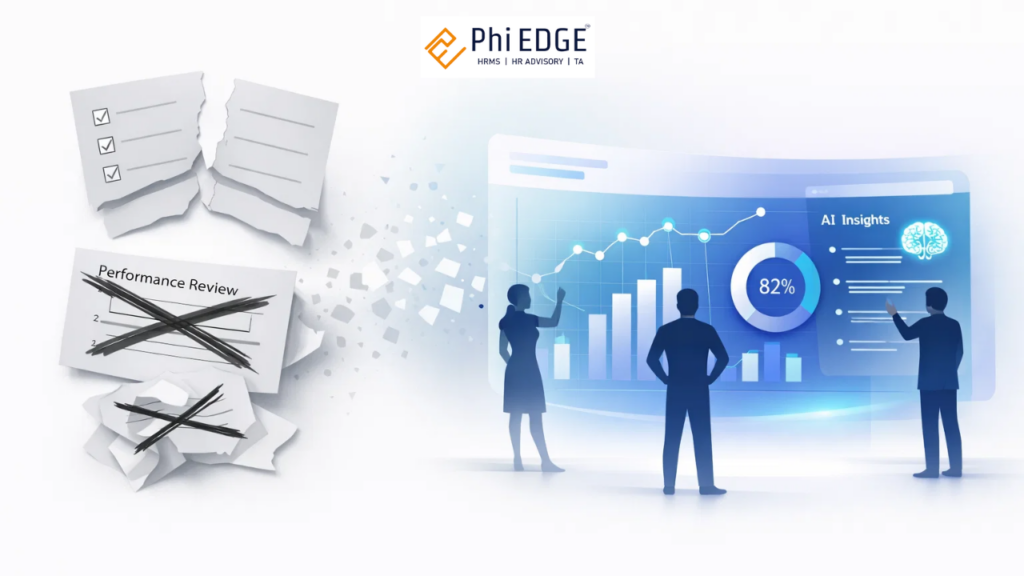
Why Traditional Performance Appraisals Fail — and How AI Fixes Them
Performance appraisal has always been one of the most sensitive and impactful HR processes in any organization. Done well, it motivates employees, improves productivity, and builds trust. Done poorly, it creates frustration, disengagement, and attrition. Yet, despite decades of experience and countless frameworks, many organizations still struggle to get performance appraisals right.
At Phi EDGE, operating across three core business verticals—HRMS, HR Advisory, and Talent Acquisition—we have worked closely with organizations across Manufacturing, Financial Services, Real Estate, Hospitality, Construction, Academics, and Information Technology. One insight consistently emerges across industries: traditional performance appraisal systems no longer work in today’s dynamic, data-driven workplace.
As organizations evolve, the gap between old appraisal methods and modern workforce expectations continues to widen. This is where AI-powered performance management is not just helpful—but essential.
The Reality of Traditional Performance Appraisal Systems
Most traditional performance appraisals system were designed for a different era—an era of stable roles, predictable workflows, and hierarchical reporting structures. Annual or biannual reviews, paper-based forms, manager-only feedback, and static rating scales once served their purpose.
However, today’s workplace looks very different. Employees collaborate across teams, work remotely or in hybrid models, and contribute in ways that are not always visible to a single manager. Unfortunately, many organizations still rely on outdated HR appraisal systems that cannot capture this complexity.
Traditional appraisal cycles often focus on past performance rather than continuous improvement. By the time feedback is delivered, the opportunity for course correction is long gone. Employees feel judged rather than supported, and managers feel burdened by a process that adds little value.
At Phi EDGE, we frequently see organizations struggling with employee dissatisfaction not because of performance issues—but because their employee appraisal system fails to recognize real effort, growth, and contribution.
Why Traditional Performance Appraisals Fail
The failure of traditional performance appraisals is not due to poor intent but due to structural limitations that no longer align with modern work environments.
One of the most common issues is manager bias. In a conventional staff appraisal system, performance ratings depend heavily on a single manager’s perception. Conscious or unconscious bias, recent events, or personal relationships often influence outcomes. This leads to perceptions of unfairness, even when managers try to be objective.
Another major flaw is the lack of real-time feedback. Traditional performance appraisal systems rely on memory—what happened months ago—rather than data. Employees may have improved, learned new skills, or contributed significantly since the last review, but these efforts are often overlooked.
There is also the problem of static goals. Many HR appraisal systems set goals at the beginning of the year and revisit them at the end, ignoring the fact that priorities change rapidly. Employees end up being evaluated against goals that are no longer relevant.
Manual processes further complicate the situation. HR teams spend weeks collecting forms, following up with managers, consolidating data, and resolving disputes. This administrative burden turns the appraisal process into a compliance exercise rather than a development opportunity.
From our HR advisory experience at Phi EDGE, we know that these shortcomings not only reduce the effectiveness of appraisals but also directly impact employee engagement, retention, and organizational culture.
The Growing Disconnect Between Appraisals and Employee Expectations
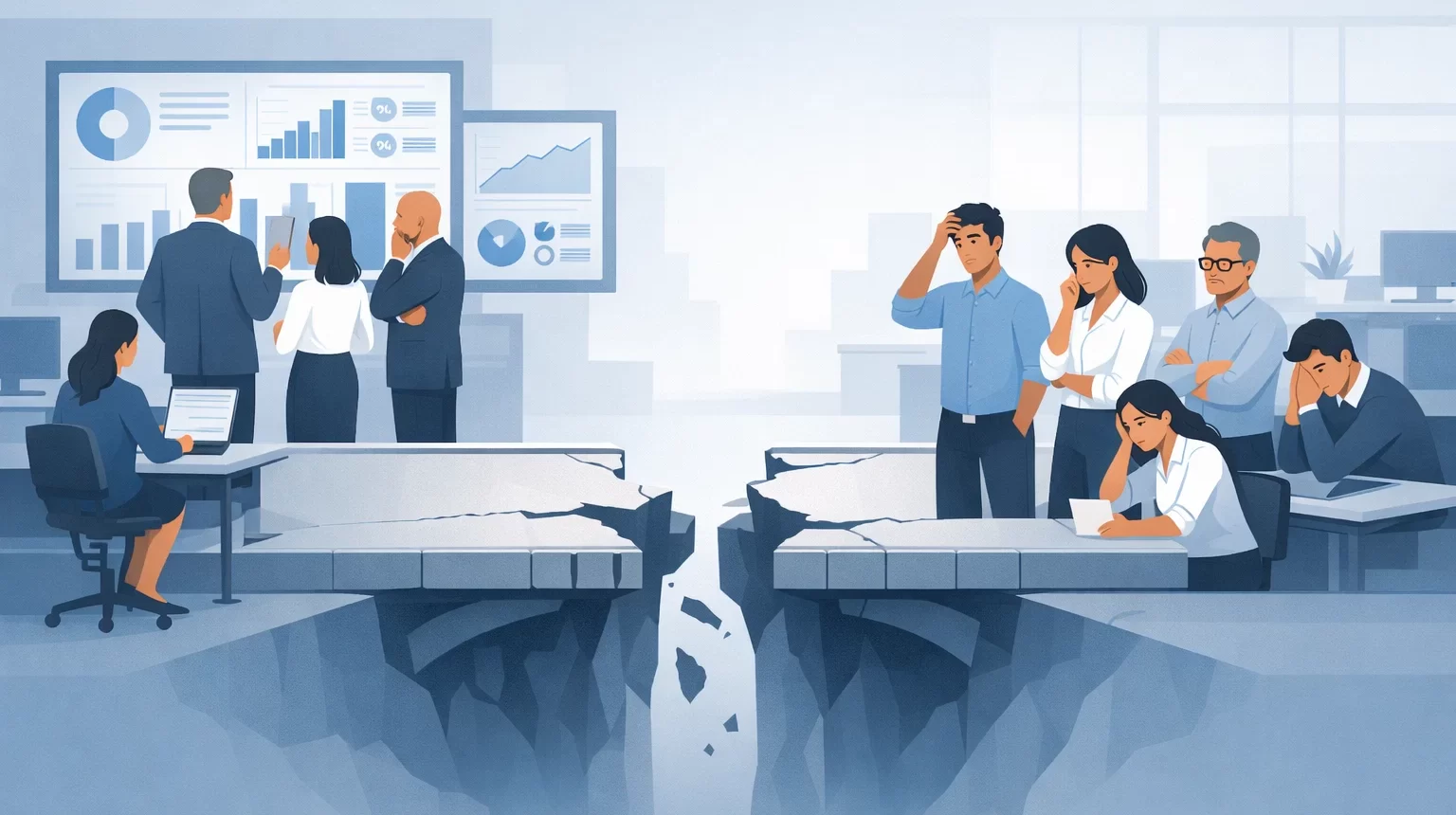
Today’s employees expect transparency, fairness, and continuous development. They want feedback that helps them grow—not a once-a-year verdict on their worth. Unfortunately, traditional performance appraisal systems often feel disconnected from daily work and real contributions.
Employees increasingly question the credibility of appraisal outcomes when feedback does not reflect their actual efforts. This disconnect erodes trust in the HR appraisal system and reduces the perceived value of performance reviews.
For organizations, this results in disengaged teams, lower productivity, and higher attrition—especially among high performers who feel undervalued.
How AI Is Transforming Performance Appraisal Systems
Artificial Intelligence is redefining how organizations approach performance management. Instead of relying on subjective opinions and infrequent reviews, AI introduces continuous, data-driven, and unbiased evaluation mechanisms.
An AI-enabled performance appraisal system does not replace human judgment—it enhances it. By analyzing real-time data from multiple sources, AI provides a more accurate and holistic view of employee performance.
At Phi EDGE, our AI-powered HRMS solutions integrate performance data across goals, tasks, attendance, feedback, collaboration patterns, and skill development. This allows organizations to move from reactive appraisal processes to proactive performance management.
Eliminating Bias Through AI-Powered Appraisals
One of the biggest advantages of AI in performance management is its ability to reduce bias. Traditional employee appraisal systems are vulnerable to favoritism, recency bias, and inconsistent scoring standards.
AI analyzes performance based on predefined metrics and patterns rather than personal impressions. It considers long-term trends instead of isolated incidents, ensuring that evaluations are fair and consistent.
For organizations using Phi EDGE’s AI-driven HR appraisal system, this means greater trust in appraisal outcomes and improved employee confidence in the process.
From Annual Reviews to Continuous Performance Management
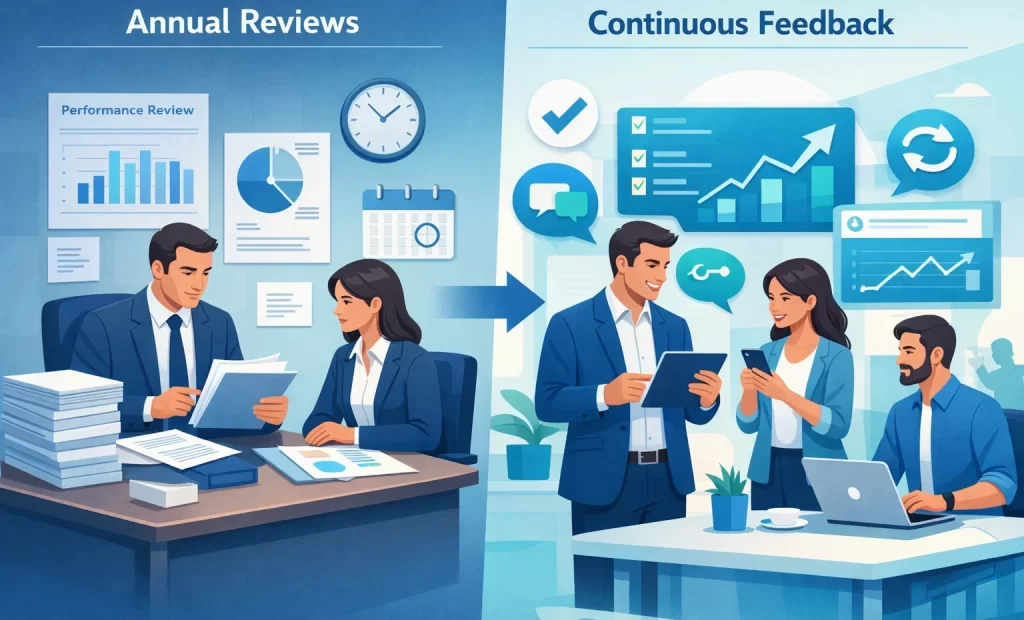
AI enables a shift from annual appraisals to continuous performance conversations. Instead of waiting for year-end reviews, employees and managers receive ongoing insights into performance trends.
This continuous approach allows for timely feedback, immediate recognition, and faster course correction. Employees feel supported rather than judged, and managers become coaches instead of evaluators.
At Phi EDGE, we believe that a modern staff appraisal system should empower growth, not create anxiety. AI helps achieve this by making performance management an ongoing, constructive process.
Smarter Goal Alignment with AI
Traditional appraisal systems often fail because goals become outdated. AI solves this by enabling dynamic goal tracking and alignment.
An AI-powered performance appraisal system can monitor progress in real time, flag misalignment, and suggest goal adjustments as business priorities change. This ensures that employees are always evaluated based on relevant and achievable objectives.
For growing organizations, this adaptability is crucial. Phi EDGE has seen how AI-driven goal management improves clarity, focus, and accountability across teams.
Actionable Insights for Employee Development
Performance appraisals should lead to development, not just ratings. Unfortunately, many traditional HR appraisal systems stop at scoring employees without offering guidance on improvement.
AI changes this by identifying skill gaps, learning needs, and development opportunities based on actual performance data. It can recommend training programs, mentoring initiatives, or role changes that align with employee strengths and organizational goals.
This transforms the employee appraisal system into a powerful tool for talent development and career progression.
Improved Manager Effectiveness Through AI Support
Managers often struggle with appraisals because they lack data, time, or structured frameworks. AI supports managers by providing clear insights, performance summaries, and data-backed recommendations.
With AI-driven tools from Phi EDGE, managers spend less time compiling reports and more time having meaningful performance discussions. This improves the quality of feedback and strengthens manager-employee relationships.
Organizational Benefits of AI-Based Performance Appraisal Systems
Organizations that adopt AI-powered appraisal systems experience significant improvements across multiple dimensions. Productivity increases as employees receive clear expectations and timely feedback. Engagement improves because employees feel recognized and treated fairly.
Attrition reduces as high performers see clear growth paths and feel valued. Leadership pipelines strengthen as AI identifies potential leaders early and supports succession planning.
From our experience at Phi EDGE, organizations that modernize their performance appraisal systems are better equipped to navigate change and sustain growth.
Why Phi EDGE Is the Right Partner for Modern Performance Management
What sets Phi EDGE apart is not just technology, but understanding. With deep expertise in HR advisory and talent acquisition, Phi EDGE designs performance appraisal solutions that align with real organizational challenges.
Our AI-powered HR appraisal system is built to adapt to different industries, workforce sizes, and maturity levels. Whether you are a manufacturing firm managing shift workers or an IT company managing hybrid teams, Phi EDGE offers a flexible, scalable, and intelligent solution.
By combining technology with advisory insights, Phi EDGE ensures that performance appraisals are meaningful, fair, and growth-oriented.
The Future of Performance Appraisals Is Intelligent
As organizations move forward, it is clear that traditional appraisal methods will continue to lose relevance. The future belongs to systems that are adaptive, data-driven, and employee-centric.
AI is not about replacing human judgment—it is about enhancing it with clarity, consistency, and insight. For organizations ready to evolve, AI-powered performance appraisals offer a path to stronger engagement, better leadership, and sustainable success.
FAQs
Why do traditional performance appraisal systems fail?
They fail due to bias, lack of real-time feedback, outdated goals, and heavy reliance on manual processes that do not reflect modern work realities.
How does AI improve performance appraisal systems?
AI provides continuous, data-driven insights, reduces bias, enables real-time feedback, and supports employee development through predictive analytics.
Is an AI-based HR appraisal system suitable for all organizations?
Yes. Organizations of all sizes and industries can benefit from AI-driven appraisal systems, especially those with growing or hybrid workforces.
Can AI replace managers in performance appraisals?
No. AI supports managers by providing insights and recommendations, allowing them to focus on coaching and development rather than administration.
Why choose Phi EDGE for performance appraisal solutions?
Phi EDGE combines HRMS technology with HR advisory expertise, ensuring that appraisal systems are practical, fair, and aligned with business goals.
Conclusion: Fixing What Traditional Appraisals Broke
Traditional performance appraisals fail not because people don’t care—but because the systems were built for a world that no longer exists. In today’s fast-moving, data-rich environment, organizations need smarter tools to manage performance effectively.
AI offers that solution.
With its experience across HRMS, HR advisory, and talent acquisition, Phi EDGE helps organizations replace outdated performance appraisal systems with intelligent, transparent, and development-focused solutions.
The question is no longer whether traditional appraisals fail—it’s whether your organization is ready to fix them.
With Phi EDGE, the future of performance management is already here
