 +91 8956049164
  contact@phiedge.co.in


How AI is Transforming HRMS Software in India: Key Trends for 2026
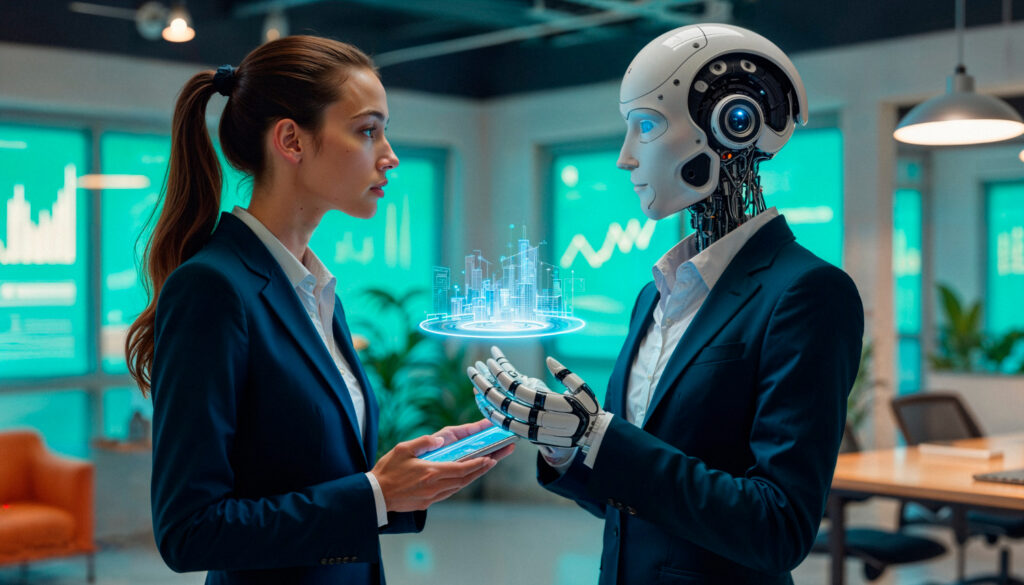
The landscape of Human Resource Management in India is being rapidly reshaped by Artificial Intelligence (AI). As organizations seek to stay agile and competitive, AI-powered HRMS solutions are at the heart of this transformation. Let’s explore the top trends driving this change and how Indian businesses are leveraging AI to build smarter, more resilient HR systems.
- Moving from AI Adoption to AI Integration
Indian companies are no longer just experimenting with AI—they’re weaving it into the fabric of daily HR operations. This means not only using AI tools but also redesigning workflows and job roles to maximize the benefits of automation and data-driven insights.
Example:
A leading Indian IT services company integrated AI into its HRMS to automate candidate screening and shortlisting. This not only reduced hiring time by 40% but also allowed HR managers to focus more on strategic talent development.
- Unlocking AI’s Untapped Potential in HR
While AI has made inroads into HR functions, many organizations are still in the early stages of realizing its full capabilities. The focus is shifting towards upskilling HR teams, choosing the right technology partners, and developing a clear understanding of how AI can drive better outcomes in recruitment, engagement, and workforce planning.
Example:
A large Indian conglomerate trained its HR team to use AI-powered analytics, which helped them uncover hidden patterns in employee engagement surveys and proactively address low morale in specific departments.
- Bridging the Skills Gap
With technology evolving at breakneck speed, the gap between existing skills and future requirements is widening. AI-enabled HRMS platforms are helping organizations map current talent, anticipate future needs, and deliver personalized learning paths, ensuring employees are equipped for tomorrow’s challenges.
Example:
A major Indian bank used AI to analyze employee competency data from performance management systems, identifying skill gaps and recommending targeted online courses for each employee.
- Redefining Blue-Collar and New-Collar Roles
AI is not just impacting traditional office jobs. It’s also transforming blue-collar and emerging tech-driven roles by streamlining hiring, onboarding, and upskilling processes. This shift is making HR practices more inclusive and responsive to India’s diverse talent pool.
Example:
A manufacturing firm deployed AI chatbots to conduct initial screening interviews in regional languages for factory workers, speeding up the hiring process and ensuring fairer assessments.
- Supporting an Age-Diverse Workforce
As more professionals in India continue working beyond conventional retirement ages, AI-powered HRMS solutions are being used to create flexible work arrangements, ergonomic policies, and benefits tailored to older employees, fostering a culture of generational diversity.
Example:
A healthcare organization used AI to analyze work patterns and health data, leading to the introduction of part-time roles and ergonomic support for employees over 60.
- Promoting Gender Equity
AI is playing a crucial role in advancing gender equality at the workplace. By enabling unbiased performance evaluations and pay equity analysis, HRMS tools are helping organizations identify and address gaps, paving the way for more women to take on leadership roles.
Example:
An Indian tech company leveraged AI to audit pay and promotion data, identifying and correcting gender-based disparities and ensuring equal opportunities for women.
- Managing Change and Uncertainty
In times of economic and organizational change, employee anxiety can become a challenge. AI-driven HRMS platforms now offer tools to monitor employee sentiment, provide real-time feedback, and suggest wellness initiatives, helping HR teams maintain a positive workplace culture.
Example:
During a major merger, a retail chain used AI sentiment analysis on employee feedback to detect rising stress levels, prompting the launch of targeted wellness and communication programs.
- Turning HR Strategy into Action
AI is making it easier for HR teams to execute their strategies effectively. Automated processes, real-time dashboards, and actionable analytics are helping organizations implement people initiatives efficiently and track their impact.
Example:
A telecom company used AI-powered dashboards to monitor the rollout of a new diversity initiative, allowing HR to adjust tactics in real time and achieve targets faster.
- Embedding HR into Business Strategy
With AI handling routine administrative tasks, HR professionals can now focus on strategic business partnerships. This shift allows HR to play a more active role in driving organizational growth and performance.
Example:
A startup automated attendance and payroll with AI, freeing HR leaders to collaborate with business heads on workforce planning and expansion strategies.
- Building Resilient Workforces
AI-powered HRMS platforms are helping organizations identify stress factors, monitor well-being, and support mental health initiatives. This proactive approach is key to building teams that can thrive in a rapidly changing environment.
Example:
A tech company used AI to monitor employee workload and flag potential burnout, enabling HR to intervene early with counseling and flexible work options.
- Evolving Employee Engagement
Employee engagement is becoming more data-driven, thanks to AI. HRMS solutions now provide deep insights into what motivates employees, enabling organizations to tailor engagement strategies that boost satisfaction and productivity.
Example:
An e-commerce firm used AI to analyze daily feedback and engagement surveys, allowing HR to introduce personalized recognition programs that increased employee satisfaction scores.
- Skills Gap Identification & Upskilling
AI in HRMS analyzes workforce data to pinpoint skill gaps and anticipate future needs. It recommends personalized learning paths, ensuring targeted upskilling for each employee. This approach helps Indian organizations stay competitive and future-ready.
Example:
A financial services company used AI to match employees’ current skills with industry benchmarks and automatically enrolled them in relevant upskilling courses.
- Flexible Work & Remote Management
AI tools track productivity and engagement in remote teams, helping optimize flexible work policies. They ensure compliance with labor laws and provide insights for better support and performance management of distributed workforces.
Example:
A consulting firm implemented AI to monitor remote employee performance and engagement, enabling managers to identify and support team members who needed additional resources or flexibility.
- Predictive Workforce Analytics
AI-driven analytics forecast attrition and identify employees at risk of leaving. This enables HR to take proactive retention measures and align workforce planning with future business goals, reducing turnover and supporting growth.
Example:
A large retail company used AI to analyze exit interviews, manager comments, and employee sentiment, accurately predicting attrition trends and launching retention programs for high-risk groups.
Conclusion
AI is no longer a futuristic concept for Indian HR—it’s a practical tool that’s redefining how organizations attract, develop, and retain talent. By embracing these trends and investing in AI-powered HRMS, Indian businesses are setting themselves up for sustainable growth and a more dynamic, engaged workforce in 2026 and beyond.
